
SR-22 insurance is a term many drivers may come across if they’ve been involved in serious driving infractions, such as a DUI or driving without insurance. It’s an essential form of proof that verifies you are meeting your state’s mandatory minimum car insurance requirements. Despite its importance, many drivers are unfamiliar with what SR-22 insurance is, when it’s necessary, and how it works. In this comprehensive guide, we’ll break down everything you need to know about SR-22 insurance.
Whether you’re required to file for SR-22 insurance because of a violation or you’re just seeking more information, understanding the requirements, how to obtain it, and how it affects your insurance rates can help you make better decisions for your driving future. By the end of this article, you’ll know what SR-22 is, when you need it, how to get it, and what consequences come with it.
What Is SR-22 Insurance and Why Is It Essential for Drivers?
What Makes SR-22 Different from Regular Insurance?
SR-22 insurance isn’t technically a type of insurance itself. Instead, it’s a certificate that proves you have the required amount of auto insurance for high-risk drivers. When a person is deemed a high-risk driver, whether due to a DUI , multiple traffic violations, or a suspended license, they are often required to file an SR-22 to show proof of insurance.
- Certificate of Insurance: SR-22 is a form submitted by your insurance company to the state to prove that you carry the required minimum coverage.
- Required by Law: States typically require drivers who have been convicted of specific violations, such as DUI or driving without insurance, to maintain SR-22 insurance for a set period, often three years.
Who Needs SR-22 Insurance and When Is It Required?
SR-22 insurance is typically needed by drivers who have been deemed high-risk by their state’s DMV. There are several circumstances that may lead to the requirement of an SR-22:
- DUI/DWI Convictions: A DUI or DWI conviction is one of the most common reasons for requiring an SR-22. After the conviction, the driver must file an SR-22 to reinstate their license.
- License Suspensions: If your license is suspended or revoked for reasons such as uninsured accidents, multiple traffic violations, or too many points on your license, the state may require you to file for SR-22 to regain your driving privileges.
- Driving Without Insurance: If you’re caught driving without insurance, you may be required to file SR-22 insurance to show proof of valid coverage going forward.
- At-Fault Accidents: In some cases, a serious at-fault accident may result in the requirement for SR-22 filing.
The Importance of SR-22 Insurance for High-Risk Drivers
SR-22 insurance is an essential tool for high-risk drivers. It ensures that individuals who have had trouble with the law are financially responsible if another incident occurs. The importance of SR-22 extends beyond simply having it on file—it helps reinstate driving privileges and keeps people legally able to drive while managing the risk that comes with high-risk behavior.
- Proof of Responsibility: SR-22 insurance helps drivers prove they are financially responsible and capable of covering damages in the event of an accident.
- Prevents Further Penalties: Failure to maintain SR-22 insurance during the mandated period can lead to additional fines, extended suspension periods, or even permanent loss of your driving privileges.
How SR-22 Insurance Impacts Your Driving and Premiums
How SR-22 Affects Car Insurance Rates for Risky Drivers
One of the biggest impacts SR-22 insurance has on drivers is its effect on insurance premiums. When you’re required to file an SR-22, your insurer will report this information to the state, and you may face higher premiums due to your “high-risk” status.
- Higher Premiums: Because SR-22 insurance is required for drivers with poor driving records, it’s often seen as an indicator of higher risk by insurance providers. This can increase your premium significantly.
- Longer Coverage Terms: In some cases, you may be required to maintain SR-22 coverage for several years. This extended period can also affect the overall cost of your insurance.
What Factors Influence the Cost of SR-22 Insurance?
The cost of SR-22 insurance can vary based on several factors. Some of the key factors include:
- Driving Record: The more serious your infractions, the higher your premiums will be. DUI convictions, multiple traffic violations, and previous accidents will contribute to an increase in your premium.
- State Requirements: Insurance laws vary from state to state, and the SR-22 filing requirements may differ. Some states require higher minimum coverage than others, which can influence the cost of your policy.
- Type of Car: If you drive a high-value vehicle, your SR-22 insurance will likely be more expensive, as insurance companies have to consider the higher potential cost of repairs or replacement.
The Role of SR-22 in Preventing License Suspensions
While SR-22 insurance is typically required after a violation, it also plays a significant role in preventing future suspensions. By maintaining SR-22 insurance for the mandated period, you ensure that you fulfill the legal requirements to keep your driving privileges intact.
- License Reinstatement: If your license has been suspended or revoked, obtaining and maintaining SR-22 insurance will help reinstate your driving privileges once the required period is over.
- Avoid Additional Penalties: Failing to maintain SR-22 insurance during the required time period can result in further penalties or even a longer suspension.
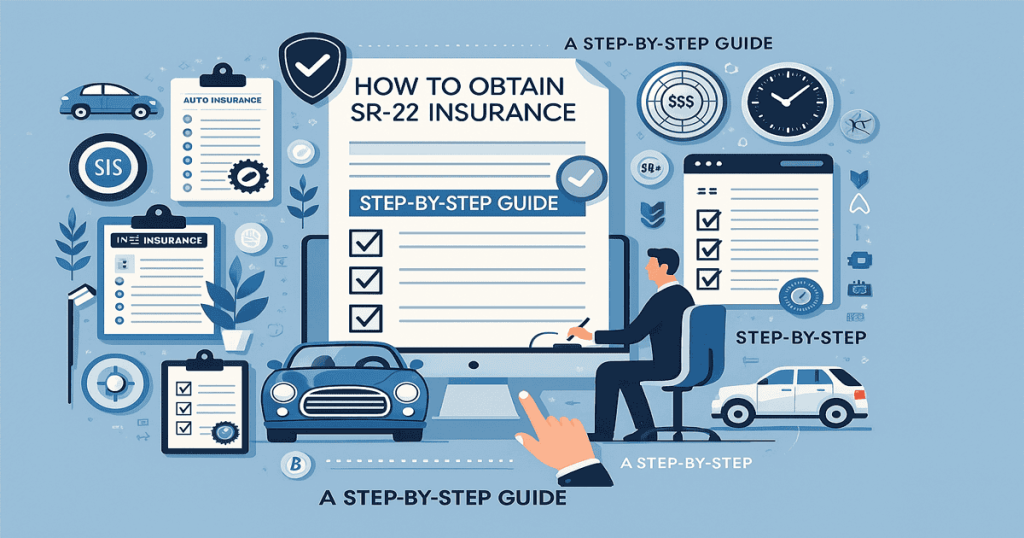
How to Obtain SR-22 Insurance: A Step-by-Step Guide
The Process of Filing an SR-22 with Your Insurance Provider
Filing an SR-22 is relatively simple once you understand the process. Here’s a general step-by-step guide for obtaining SR-22 insurance:
- Contact Your Insurance Company: You’ll need to contact your current auto insurance provider and request that they file an SR-22 for you. Some insurance companies may not offer this service, so you may need to switch to a provider that does.
- Provide Necessary Information: Your insurer will need to know the details of your violation, your driving record, and the requirements set forth by the state. This helps them submit the appropriate SR-22 form to the DMV.
- Pay Filing Fees: Your insurer may charge a small fee to file the SR-22 form, which typically ranges from $15 to $50.
- Maintain Coverage: After the SR-22 is filed, it’s essential to maintain continuous insurance coverage. Any lapse in coverage during the required period could result in a suspension of your license.
What Documents Do You Need for SR-22 Insurance Filing?
When filing for SR-22 insurance, you’ll need to provide some basic documents to your insurance provider to help them process the form:
- Proof of Identity: You’ll need a valid driver’s license and proof of residence.
- Details of the Violation: Information about the incident or infraction that led to the SR-22 requirement (e.g., DUI arrest or insurance lapse).
- Proof of Insurance: Your current insurance policy (if applicable) or proof that you’re insuring your vehicle.
Is SR-22 Insurance Expensive, and How Can You Save?
SR-22 insurance can be costly due to the high-risk nature of the filing. However, there are ways to reduce your premiums:
- Shop Around: Different insurers may offer varying rates for SR-22 insurance. It’s a good idea to compare quotes from multiple companies to find the best price.
- Increase Your Deductible: By increasing your deductible, you can lower your monthly premiums. However, this means you’ll pay more out-of-pocket if you’re involved in an accident.
- Take a Defensive Driving Course: Some states offer discounts on SR-22 insurance if you complete a defensive driving course, which shows that you are making an effort to improve your driving habits.
Understanding the Legal Requirements for SR-22 Insurance
How Long Is SR-22 Insurance Required by Law?
SR-22 insurance is typically required for a minimum period of three years, although the exact duration varies by state and the nature of the violation. During this time, you must maintain continuous coverage and avoid any lapses in your insurance.
- State-Specific Requirements: Some states may require SR-22 insurance for up to five years, depending on the offense and the driver’s history.
- Early Termination: In some cases, the requirement for SR-22 insurance may be reduced if you demonstrate a good driving record or fulfill other conditions outlined by your state.
State-by-State SR-22 Filing Requirements: What You Need to Know
Each state has different rules regarding SR-22 filings. For example:
- California: Requires SR-22 filing for all DUI convictions and traffic violations.
- Texas: The SR-22 requirement is generally 2-3 years, depending on the offense.
- Florida: Florida drivers who have been convicted of certain offenses must file an SR-22 to reinstate their license.
Check with your state’s Department of Motor Vehicles (DMV) or your insurer to understand the specific requirements in your location.
The Consequences of Failing to Maintain SR-22 Insurance
Failing to maintain your SR-22 insurance can result in severe consequences:
- License Suspension: If your SR-22 lapses or is canceled before the required period ends, your driving privileges may be suspended again.
- Fines: You may incur additional fines for failing to comply with the SR-22 requirement.
- Increased Insurance Rates: A failure to maintain SR-22 insurance can also result in even higher insurance premiums once your license is reinstated.
Common Myths About SR-22 Insurance: What’s True and What’s Not
Does SR-22 Insurance Cover All Types of Driving Violations?
One common myth is that SR-22 insurance covers all types of driving violations. In reality, SR-22 only serves as proof that you’re meeting the minimum insurance requirements mandated by the state. It does not cover damages or accidents; it is simply proof of financial responsibility.
Can You Get SR-22 Insurance Without Owning a Car?
Yes, you can get SR-22 insurance even if you don’t own a car. This is known as non-owner SR-22 insurance. It’s for drivers who may not own a vehicle but still need to comply with state insurance laws for driving a borrowed or rental car.
Is SR-22 Insurance Only for Drivers with DUIs?
No, SR-22 insurance isn’t limited to DUI convictions. It’s required for any situation where a driver’s license is suspended or revoked due to serious infractions, such as multiple traffic violations or driving without insurance.
FAQ
What Exactly Is SR-22 Insurance and Who Needs It?
SR-22 is a certificate that proves you are carrying the minimum required car insurance. It’s typically required for high-risk drivers due to serious traffic violations such as DUI, multiple speeding tickets, or driving without insurance.
How Do I Know If I Need an SR-22 Insurance Filing?
If you’ve been convicted of a major traffic violation, like a DUI or driving without insurance, the court or DMV will likely inform you that you need to file SR-22 insurance.
Can I Cancel My SR-22 Insurance Before the Required Period Ends?
No, canceling SR-22 insurance before the mandated period ends can result in further penalties, including a suspended license and the need to re-file for SR-22 insurance.