

Learning to drive is an exciting milestone, but it also comes with significant responsibilities and risks. Whether you’re a teen just starting out or an adult taking your first driving lessons, getting proper learner driver insurance can make all the difference. Not only does it ensure legal compliance, but it also provides a vital safety net in case of accidents, liabilities, or unforeseen costs.
A smart learner driver insurance plan is more than just a legal formality—it’s a strategic tool that promotes safer learning. With flexible options tailored to the learner’s pace and lifestyle, it eases the financial burden on parents and guardians while providing learners with the confidence and protection they need behind the wheel. This comprehensive guide will help you understand why learner driver insurance is essential, how it works, and how to choose the best plan for your needs.
Why Is Learner Driver Insurance Important?
Learner driver insurance plays a vital role in road safety, financial protection, and legal compliance. Here are some key reasons:
- Legal Requirement in Most States
Most states in the U.S. require drivers with a learner’s permit to have auto insurance. Without it, you could face fines, license suspension, or denial of driving privileges. - Covers Accidents and Damages
- Accidents during learning are common. Insurance covers vehicle damage, medical costs, and third-party liability.
- Without insurance, learners or guardians may have to pay out-of-pocket for expensive repairs or lawsuits.
- Financial Shield for Guardians and Parents
- Adding a learner to an existing policy can significantly raise premiums.
- A standalone learner policy prevents affecting the family’s primary no-claim discount (NCD) and avoids policy hikes.
- Confidence for the Learner and Supervisor
- Driving with insurance offers peace of mind.
- Learners focus better when they know that they are financially protected, enhancing the quality of practice sessions.
How Coverage Helps Learners Fill the Risk Gap
Explains the Coverage for Learning Accidents
- Insurance covers the cost of fender-benders, scratches, or even more serious collisions.
- Comprehensive policies include roadside assistance, legal fees, and third-party injury claims.
Avoids Unexpected Liabilities and Repair Expenses
- In case of property damage or bodily harm to others, insurance takes care of legal settlements.
- Repairs from learner accidents (such as scraping a parked car) are covered without breaking the bank.
Helps Both the Student and the Guardian Feel More at Ease
- Supervising a learner is stressful—insurance reduces fear.
- Parents don’t have to worry about every mistake turning into a financial setback.
When States or Insurers Demand Learner Policies?
- State Statutes Impose Permit-Stage Requirements
Most states require minimum liability coverage for learner drivers. - Circumstances Require Standalone Coverage
Driving an uninsured or borrowed vehicle? A stand-alone learner policy becomes essential. - Cases of Fines and Exclusions
Getting caught without learner coverage can lead to fines, license suspension, or rejection of insurance claims later.
Teens with No Prior Experience Are Being Added by Parents
- Challenges for Parents
Parents worry about premiums, claims, and liability when adding a teen. - Impact on NCD and Premiums
A single accident by the learner can impact the parent’s good driver record. - Cost-Influencing Factors
- Bundling policies (home + auto) may reduce premiums.
- Telematics-based monitoring can provide discounts.
- Good student discounts help lower costs.
Extended Permit Times or Prolonged Practice
- Risks During Long Learning Phases
Prolonged learning increases the probability of minor mishaps. - Flexible, Time-Based Policies
Choose daily, weekly, or monthly policies to match the learner’s schedule. - Solo vs. United Rider Options
A policy can cover just the learner or include the supervisor.
Profiles of High-Risk Learners and Unique Situations
Beginners with Long Practice Hours or Rural Driving
- Driving long hours on unfamiliar terrains increases accident risks.
- Rural areas may have fewer training centers, requiring extended practice.
States and Regions with Stricter Regulations
- Urban areas often require additional permits.
- Some states enforce curfews and driving limits on learners.
Insurance Solutions for Unique Learner Scenarios
- Policies tailored for:
- Adult learners
- Learners with disabilities
- Students studying abroad
Standalone vs Add-On: Which One Is Better for You?
| Feature | Standalone Policy | Add-On to Parent Policy |
|---|---|---|
| Cost | Slightly higher upfront | Usually cheaper upfront |
| Flexibility | High – Choose your terms | Limited – Tied to parent’s terms |
| Impact on NCD | No impact | Could affect discounts |
| Supervisor Coverage | Optional add-ons | Usually included |
| Cancellation | More flexible | May incur parent penalties |
Bonuses and Supervisor Coverage
- Standalone may offer loyalty bonuses or telematics-based discounts.
- Add-on policies usually don’t offer supervisor-specific coverage.
Cancellation Terms and Time-Period Options
- Standalone: Cancel anytime with a prorated refund.
- Add-on: Cancellation affects the entire household policy.
Claim Procedure: From Accident to Resolution
Timeframe for Claims
- Report immediately (within 24-48 hours of the incident).
- Claims usually resolved within 7–14 business days.
Required Documents
- Learner’s permit and driver ID
- Insurance policy copy
- Incident report and photos (if available)
- Police report (in case of third-party damage or injury)
Avoiding NCD Hits or Premium Hikes
- Use standalone to protect family NCD.
- Consider opting for minor damage deductible clauses to reduce impact.
Prevent Financial Shock After Accidents
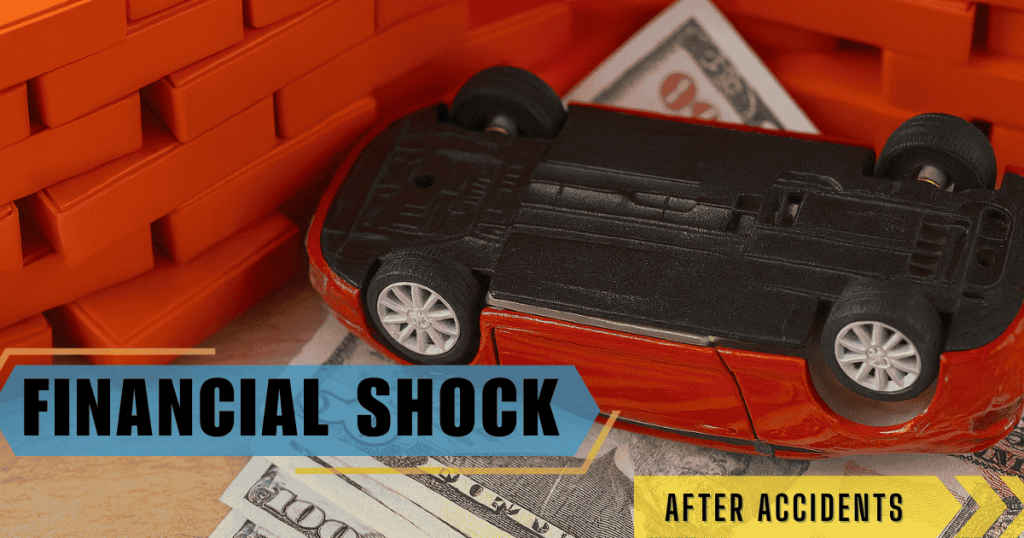
How Learner Coverage Handles Repairs and Liability
- Covers damage from hitting other vehicles or public property.
- Includes third-party medical costs.
- Covers legal expenses and hospitalizations if required.
Cost-Saving Example
Imagine a learner accidentally drives into a utility pole:
- Repair cost without insurance: $4,000–$6,000
- With learner policy: May cover all costs except a $250–$500 deductible
Protecting Parent Resources
- Parents avoid using emergency funds.
- No financial strain or increase in household premiums.
Effective Coverage That Builds Confidence
Weekly Cost of Learner Policies
- Most policies range from $20 to $80 per week
- Discounts apply with multi-week or bundled packages
Comparing Monthly and Hourly Plans
- Hourly plans: Perfect for weekend-only drivers
- Monthly: Great for long-term, consistent learners
Emotional Benefit
- Knowing insurance has your back allows stress-free focus.
- Makes learning a positive and pressure-free experience.
Protecting Equity and No-Claim Discounts
Nationwide Penalty Prevention
- Accidents under a shared policy impact every insured driver.
- A standalone policy creates a financial firewall.
Keeping a Clean Driving Record
- Avoids impacting a parent’s spotless driving history.
- Supports better future insurance quotes for the learner.
Value on Future Rates
- Clean early record = lower adult insurance rates
- Avoids rate hikes that can last for 3–5 years post-claim
Compare Quotes from Insurers vs Private Vendors
Where to Find Plans
- Major insurers: Progressive, Allstate, GEICO, Nationwide
- Private vendors and online platforms: Veygo, Root, The Zebra
Insurers vs Marketplaces
- Direct Insurers: More accountability, established brand
- Online Marketplaces: Easier comparison, third-party reviews
Tips for Price Comparison
- Compare deductibles and premium terms
- Read policy inclusions carefully
- Check for telematics discounts
Compare the Benefits of Stand-Alone and Add-On Policies
Rider Options and Flexibility
- Standalone: Adjustable names, policy durations, multiple riders
- Add-on: Less flexible, limited to the household vehicle
Impact on Primary Policy
- Standalone: No impact on other family drivers
- Add-on: Can influence household rates if claims are made
Customization Options
- Standalone: Pause, extend, or transfer policy
- Add-on: Generally fixed, less scope for change
Verify the Refund Terms, Exclusions, and Eligibility
Permit Rules and Car Restrictions
- Most policies require:
- Valid learner’s permit
- Car less than 15 years old
- Guardian supervision (in some states)
Cancellation and Refunds
- Partial refund if canceled early (prorated)
- Service fees may apply
Situations That Void Coverage
- Learner driving without supervisor
- Driving outside permitted hours
- Using the car for commercial reasons
Frequently Asked Questions
Do I Still Need Learner Driver Insurance if Added to My Parent’s Policy?
Yes, although you may be covered under your parent’s policy, getting a standalone policy protects their no-claim bonus and prevents possible premium increases.
Will Learner Cover Apply During Official Driving Lessons?
It depends on the provider. Some policies extend coverage during lessons with licensed instructors, while others require a separate clause or policy.
Can I Get a Refund if I Cancel the Learner Policy Early?
Yes, most policies offer a prorated refund minus service fees, as long as there have been no claims filed during the policy period.
Conclusion:
Investing in learner driver insurance is not just a wise legal choice—it’s a proactive step toward ensuring a secure and smooth learning journey. Whether through a standalone or add-on policy, coverage protects finances, builds confidence, and prepares learners for safe, responsible driving. Always compare options, read the fine print, and prioritize both flexibility and transparency to get the best out of your learner driver insurance.