
Running a towing company comes with serious responsibilities: transporting other people’s vehicles, responding to emergencies, and dealing with high-risk environments on the road. Without strong business insurance, a single mishap could devastate your operations and finances. That’s why smart towing business owners prioritize comprehensive insurance coverage tailored to their specific needs.
Towing insurance isn’t just about legal compliance—it’s about ensuring long-term survival and success. Customers trust your business to safeguard their vehicles, and your employees rely on you for safety and job stability. A solid insurance policy gives your fleet legal protection, financial security, and peace of mind. Let’s break down everything you need to know about towing business insurance.
How Does Proper Coverage Protect Your Tow Company?
Insurance isn’t just a legal formality—it’s an operational necessity in the towing world. Tow truck companies deal with heavy-duty equipment, complex driving scenarios, and unpredictable situations on highways and streets. Whether you run a single-truck operation or a full-scale fleet, you need coverage that keeps up with your level of risk.
A comprehensive insurance policy shields you from high out-of-pocket costs due to accidents, lawsuits, injuries, and property damage. Towing businesses are at a heightened risk for liability claims since you handle vehicles that don’t belong to you, often under pressure or in tight traffic spots. A good policy helps you avoid major financial losses, delays, or shutdowns.
Additionally, the right insurance builds trust with clients and partners. Many auto clubs, dealerships, and municipalities require contractors to have proper coverage. This means your insurance status can directly affect your ability to land contracts and grow.
Coverage also protects your team. Workers’ compensation, for example, ensures your employees are cared for if injured on the job—while also shielding your business from legal action. Garagekeepers insurance is critical if you store vehicles overnight or during repairs.
Ultimately, the right towing insurance policy acts as a financial shield, a business enabler, and a long-term investment in the health and credibility of your company.
Leading Tow Companies Leverage Custom Policies
| Custom Policies Benefit Leading Tow Companies |
|---|
| Successful towing businesses don’t settle for cookie-cutter policies. They work with experienced brokers or insurers to build a custom insurance package. These packages reflect the company’s fleet size, types of tows performed, driver experience, and business locations. Customization minimizes wasted spending and maximizes protection. |
| How Tailored Coverage Matches Unique Business Needs |
|---|
| Tow companies are not all alike. Some haul heavy-duty commercial trucks, while others specialize in roadside assistance for compact cars. Tailored insurance ensures you don’t overpay for unnecessary features or leave major coverage gaps. For instance, a company doing long-distance tows may need additional auto liability compared to a local shop. |
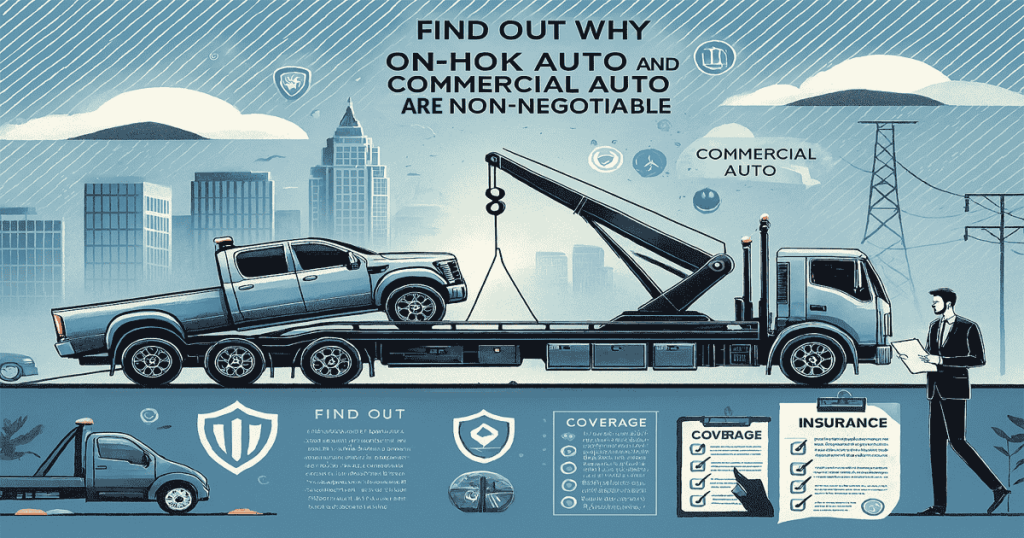
| Find out why On-Hook and Commercial Auto are Non-Negotiable |
|---|
| On-hook towing insurance covers customer vehicles while they are attached to your tow truck. It’s essential to avoid personal liability if you damage their car en route. Commercial auto insurance protects your fleet from accidents, theft, and damage—offering peace of mind during every tow. |
| Unpack Workers’ Compensation, General Liability, and Garagekeepers |
|---|
| Workers’ compensation covers medical bills and lost wages for employees injured on the job. General liability protects against third-party claims like slip-and-falls. Garagekeepers insurance covers damage or theft of vehicles stored at your facility. All three are vital to protecting your business, reputation, and team. |
| Break Down the Average Rates (Car, Liability, and WC) |
|---|
| – Commercial Auto Insurance: $700–$1,200/month depending on fleet size and location. |
- General Liability: $50–$100/month depending on risk factors.
- Workers’ Compensation: $500–$1,000/month, based on payroll, job duties, and location. Rates may vary based on safety practices and previous claim history.
Learn the Main Cost Factors
- Location: Operating in dense urban zones or accident-prone areas leads to higher premiums.
- Driver History: Clean records lower rates, while tickets, DUIs, or crashes will increase your costs.
- Fleet Size: More trucks mean higher exposure—raising your overall insurance bill.
- Years in Business: More experience often earns discounts as insurers trust seasoned operators.
- Claim History: Fewer past claims suggest lower risk and can bring down future premiums.
Safety Improvements and Larger Deductibles Can Lower Premiums
- Install dash cams and GPS tracking to document incidents and improve driving.
- Use telematics to monitor behavior and reward safe driving.
- Raise your deductible (if cash flow allows) to lower your monthly premium.
- Conduct regular safety meetings and training sessions.
Why Adding Trucks/Drivers Requires Policy Upgrade
- New drivers must be listed on your commercial auto policy.
- Additional trucks increase risk exposure and need coverage.
- Failing to report updates can result in denied claims or policy cancellations.
Ensure Coverage Matches Growth in Towing Markets
- Specialize in exotic or luxury cars? You’ll need higher limits.
- Towing electric vehicles? You may need specialized equipment and added protection.
- Offering long-distance hauls? Higher auto liability may be required.
- Storage or repair services? Add garagekeepers coverage.
Revenue, Fleet, or Territories Expanding? Renegotiate!
When your business grows, your insurance policy must evolve too. Insurers may adjust your premium based on higher risk—but you can also negotiate better terms by demonstrating improvements. Examples include:
- Showing growth in revenue can open up access to tiered premium discounts.
- Bigger fleets with safety tech often qualify for customized group policies.
- Expanding territories may require more liability coverage, but also shows business health that insurers respect.
Install Cameras and Telematics to Keep an Eye on Driving
- Dash cams help verify accident responsibility.
- Telematics systems track speed, braking, and route.
- These tools provide data for training and defense in claims.
- Some insurers give discounts for installing them.
Make Pre/Post-Tow Inspections Routine
- Use mobile checklists before and after each tow.
- Record vehicle damage, customer signatures, and equipment used.
- Helps reduce claims and provides legal protection.
- Boosts professional appearance and customer trust.
How Much Does Towing Business Insurance Cost?
Insurance costs depend on:
- Location: Urban vs. rural and regional accident rates
- Fleet size and value: More trucks = more premium
- Driver history: Violations raise premiums
- Policy limits: Higher limits = higher cost
Typical Monthly Averages:
- Commercial Auto: $900–$1,200
- General Liability: $70–$110
- Workers’ Comp: $600–$1,000
These figures may change with bundling or discounts.
Training, Carriers, and Collaborations
Train Your Teams on Contracts and Roadside Procedures
- Train drivers on what contracts cover and how to explain them.
- Create SOPs (Standard Operating Procedures) for roadside work.
- Educate on how to hoist vehicles safely to avoid damage.
- Conduct refreshers quarterly and after incidents.
Specialty Insurers vs. General Carriers
- Specialty carriers (like Progressive, Chubb) offer towing-specific options.
- Better claim handling, faster support, and tailored packages.
- General business insurers may overlook towing-specific risks.
- Consider insurers who offer roadside emergency or salvage coverage.
Collaborate with Brokers for Custom Plans
- Brokers compare policies across multiple insurers.
- They advocate on your behalf to secure better terms.
- Many offer risk evaluations and document support.
- Help set up flexible payment options or scalable plans.
Importance of Claims Help and Annual Evaluations
- A responsive claims process saves time and frustration.
- Yearly policy evaluations help adjust for new risks.
- Remove coverage you no longer need to save money.
- Regular updates keep your coverage legally compliant.
FAQs
On-hook towing insurance: what is it?
On-hook insurance covers vehicles that are being towed by your truck. It pays for damage caused during towing, including accidents or mishandling. It’s critical for all towing companies to avoid out-of-pocket repair costs for customer vehicles.
Do garage keepers need insurance?
Yes. If you store or repair vehicles at your shop—even temporarily—garagekeepers insurance covers damage or theft while vehicles are in your custody. It protects against vandalism, fire, weather damage, and more.
What is the cost of towing insurance?
Towing insurance costs vary by business, but average costs range from $900–$1,200 for commercial auto, $70–$110 for liability, and up to $1,000 for workers’ comp per month. Costs rise with risk but can be reduced with smart strategies.
Can premiums be lowered by safety features?
Absolutely. Dash cams, GPS tracking, safe driving rewards, and training programs are all viewed positively by insurers. Many will offer discounts or credits for businesses that proactively manage safety.
When should my policy be reviewed?
Review your policy annually and whenever you add vehicles, expand locations, or change service types. A proactive review ensures your coverage reflects your current operations—and avoids denied claims later.
This comprehensive guide on towing business insurance delivers deep insight for any owner looking to protect their team, customers, and assets. With the right insurance structure and a proactive safety mindset, your towing business can scale confidently and securely.