
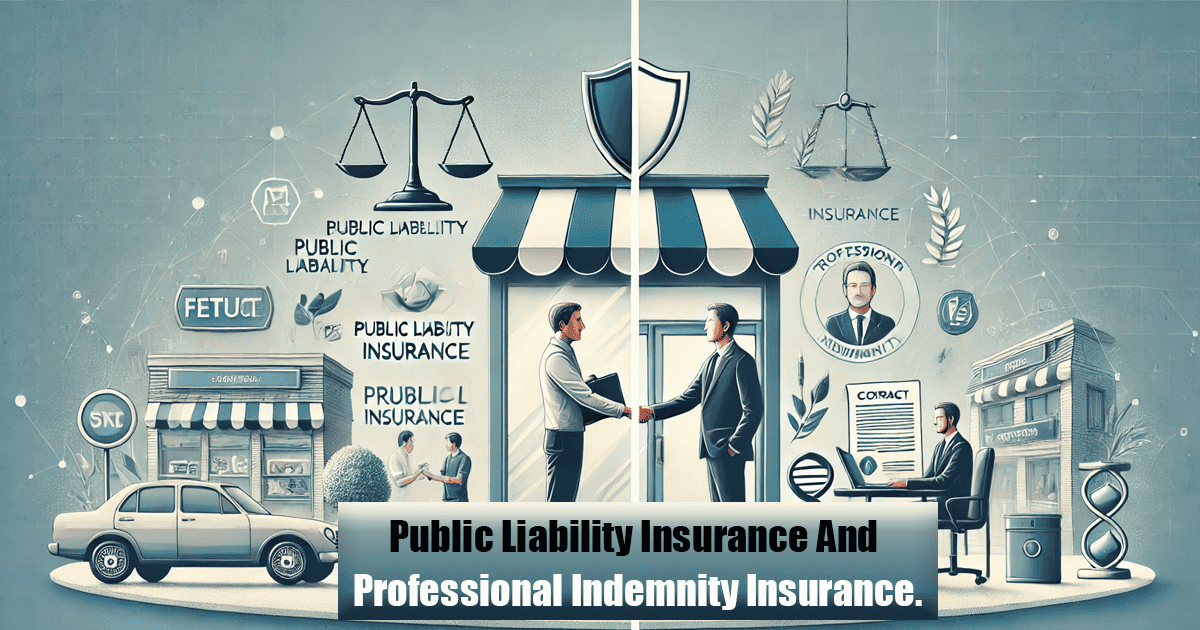
Running a business involves risk—both to people and property, and to your professional reputation. That’s why securing the right kind of insurance is crucial. Two of the most commonly confused forms of coverage are public liability insurance and professional indemnity insurance. While both policies protect your business from potential legal claims, they cover very different types of risk. Understanding the distinction between them is essential for compliance, client assurance, and long-term business sustainability.
This guide is designed for entrepreneurs, consultants, contractors, and corporations alike who want to ensure comprehensive protection without overspending. By the end of this article, you’ll clearly understand the difference between these two critical forms of coverage, how they work, who needs them, and how to choose the best policy based on your industry, service, and legal obligations.
🔍 What’s the Difference Between Public Liability Insurance and Professional Indemnity Insurance?
Though often lumped together in conversations, public liability insurance (PLI) and professional indemnity insurance (PII) serve two very different functions. Knowing what each one does—and does not—cover can prevent gaps in your protection.
1. Scope of Coverage
- Public Liability Insurance covers physical injuries or property damage caused to third parties due to your business activities.
- Professional Indemnity Insurance covers financial loss, errors, omissions, and negligence that arise from the services or advice you provide.
2. Triggering Events
- PLI responds when someone is hurt on your premises, or you damage a client’s property—such as a slip-and-fall incident in your store.
- PII is triggered when a client claims your work or advice caused financial loss, such as a consultant giving misleading strategic advice.
3. Who It Protects
- PLI protects businesses that interact physically with the public, clients, or vendors on-site.
- PII protects professionals like consultants, designers, architects, accountants, and engineers who offer advice or services for a fee.
4. Legal Requirements
- PLI is often mandatory for physical businesses, events, or trades (e.g., construction or hospitality).
- PII may be legally required in regulated fields like law, finance, healthcare, or architecture.
Understanding these differences helps you select the right policy for your work environment and prevent unexpected liability gaps.
🔧 How Does Public Liability Insurance Work?
Public liability insurance protects your business if a third party—such as a client, vendor, or member of the public—suffers injury or property damage as a result of your business operations.
Key Features:
- Covers legal fees, settlement costs, and medical expenses.
- Applies to incidents on your business premises, at a client’s site, or during off-site business activities.
- Typically includes product liability coverage in retail and manufacturing businesses.
Example Scenarios:
- A customer trips on a loose tile in your retail store and breaks their arm.
- You spill coffee on a client’s laptop during a business meeting.
- A contractor accidentally damages underground wiring during excavation.
Exclusions:
- Injuries to employees (covered by workers’ comp).
- Professional errors or negligence (covered by indemnity insurance).
Suitable For:
- Retailers
- Event organizers
- Contractors
- Restaurants
- Service providers with customer-facing premises
📄 How Does Professional Indemnity Insurance Work?
Professional indemnity insurance protects your business if a client claims your advice, service, or design caused them financial harm.
Key Features:
- Covers negligence, misrepresentation, intellectual property disputes, and breach of confidentiality.
- Pays for legal defense, settlements, and compensation related to financial loss.
- Often required in contracts with large clients or government agencies.
Example Scenarios:
- A graphic designer uses a copyrighted image, resulting in a lawsuit.
- An IT consultant installs software that causes a data breach.
- A marketing firm runs a campaign that results in client revenue loss due to misinformation.
Exclusions:
- Bodily injury or property damage (covered by public liability).
- Intentional acts or criminal behavior.
Suitable For:
- Consultants
- Designers
- Engineers
- Legal professionals
- Accountants
- Tech professionals
🔗 Similarities of Public Liability Insurance and Professional Indemnity Insurance
While they serve distinct purposes, PLI and PII share several common characteristics:
| Category | Public Liability Insurance | Professional Indemnity Insurance |
|---|---|---|
| Protects Against | Physical harm or property damage | Financial loss due to professional errors |
| Covers | Third-party claims, legal defense, payouts | Legal costs, compensation, settlements |
| Beneficiaries | Clients, public, vendors | Clients who receive services or advice |
| Policyholders | Businesses with physical interactions | Service providers and consultants |
| Not Covered | Employee injuries, professional errors | Bodily injury, deliberate malpractice |
Understanding these overlaps ensures your business is covered from all angles of liability.
📊 Why Would Your Company Need Both?

| Reason | Explanation |
|---|---|
| Comprehensive Coverage | Many businesses offer both physical services and professional advice, and are thus exposed to both types of risks. |
| Client Contracts | Larger corporations often demand that vendors have both policies in place before approving a contract. |
| Risk Management | Dual policies ensure that legal costs are covered regardless of whether the issue is physical or intellectual in nature. |
| Public-Facing + Consulting | If your business includes a public retail space and an advisory team, both policies are essential. |
🧾 Examples of Possible Claims Under Every Kind of Insurance
| Type | Example Claim |
|---|---|
| Public Liability | A wedding guest trips over a lighting wire laid by your event team. |
| Professional Indemnity | A client sues your financial consultancy for losses from inaccurate projections. |
🏭 Examples from the Industry: Who Needs What?
| Industry | Needs PLI | Needs PII |
|---|---|---|
| Retail Stores | ✅ | ❌ |
| Marketing Agencies | ✅ | ✅ |
| Construction Firms | ✅ | ✅ |
| IT Consultants | ❌ | ✅ |
| Fitness Studios | ✅ | ✅ |
| Legal Professionals | ❌ | ✅ |
| Event Planners | ✅ | ✅ |
✅ Verify the Legal Requirements in Your Sector
Before purchasing any policy, it’s critical to review regulatory mandates in your industry. For example:
- Architects and Engineers in many U.S. states are required by law to carry professional indemnity insurance.
- General contractors may be required to carry public liability coverage before bidding on municipal or federal contracts.
- Healthcare professionals may require medical malpractice insurance, a form of PII.
Always confirm your state laws and licensing board guidelines to avoid fines and compliance issues.
🗂️ Consult an Insurance Advisor to Customize Your Strategy
No two businesses face identical risks. Speaking to an insurance advisor or broker ensures:
- You purchase only the coverage you need (no more, no less).
- Your limits match your risk exposure.
- You receive help in interpreting policy exclusions.
- You understand whether a combined business insurance policy (called a Business Owner’s Policy or BOP) is more cost-effective.
Customizing your policy ensures a better fit for your operations, clients, and legal structure.
💰 Before Making a Decision, Get Quotes from Reliable Suppliers
Don’t settle for the first quote you receive. It’s important to:
- Compare multiple providers to ensure competitive pricing.
- Check financial strength ratings (from A.M. Best or Moody’s).
- Read online reviews for customer service performance.
- Look for insurers that specialize in your sector—they often offer tailored packages.
Popular providers include:
- Hiscox
- The Hartford
- Chubb
- CNA
- Next Insurance
Remember: cheaper isn’t always better if it comes with higher deductibles or insufficient coverage.
🚧 Public Liability Commonly Covers On-Site Accidents
Public liability insurance is ideal if your business:
- Hosts clients, suppliers, or customers in person
- Works in public areas or construction zones
- Sells physical products that may cause harm
It is considered must-have coverage for businesses with high foot traffic or service delivery in uncontrolled environments.
🧠 Errors, Advice, and Services Are the Main Topics of Professional Indemnity
Professional indemnity is crucial for:
- Service-based industries
- Freelancers and consultants
- Anyone offering paid advice, planning, or analysis
This insurance type protects your professional integrity and shields you from career-ending lawsuits over alleged mistakes or failures to deliver.
🗺️ Insurance Requirements May Vary According to Your Location
Each U.S. state has its own regulations concerning:
- Minimum coverage limits
- Mandatory insurance types
- Policyholder responsibilities
For example:
- California may require architects and lawyers to carry professional liability insurance.
- New York often mandates public liability for construction projects.
- Texas business owners may benefit from umbrella policies that combine both.
Always consult your state’s Department of Insurance for accurate guidelines.
❓ FAQ
🛡️ Can I Get Both Public Liability and Professional Indemnity in the Same Plan?
Yes. Many insurers offer combined policies tailored for small businesses or consultants. These packages often come as part of a Business Owner’s Policy (BOP) or can be bundled for cost efficiency and simplicity.
🧾 Is It Necessary for Me to Have Both Kinds of Insurance?
If your business interacts physically with people and also provides professional advice or services, having both is recommended. This dual coverage ensures that you are protected from both physical claims and intellectual service disputes.
⚖️ Does the Law Demand Any of This Insurance?
- Yes, in certain industries and locations. For instance:
- Healthcare professionals need malpractice (a form of PII).
- Construction firms often require PLI to obtain permits.
- Legal, accounting, and financial advisors are often mandated to carry professional indemnity.
Check industry regulations and client contract terms before proceeding without it.
🧷 Corporate Insight: Investing in both public liability and professional indemnity insurance is not just about protection—it’s about credibility, confidence, and compliance. Businesses that proactively manage risk earn greater trust from clients, contractors, and regulatory authorities.
🔐 Secure your company’s future, build client trust, and protect your reputation—invest in the right insurance strategy today. ✔️