

Being a landlord is more than just collecting rent; it’s a business that carries both opportunities and risks. One of the most important ways to protect your investment and income is through landlord insurance. While many property owners assume that standard homeowner’s insurance will suffice, they often find themselves vulnerable when incidents occur. From liability issues to property damage and lost rental income, landlord insurance is the safety net that ensures financial stability and peace of mind.
This guide is crafted to help landlords of all types understand the true value of landlord insurance, avoid common mistakes, and choose the best policy for their needs. Whether you’re managing a single-family home or a portfolio of rental units, this guide will fulfill your search intent with practical insights, clear explanations, and potential value.
Why It’s Important to Have Landlord Insurance?
| Reason | Explanation |
|---|---|
| 1. Financial Protection | Landlord insurance offers crucial financial security in the face of disasters. Whether your property is damaged by fire, storm, or tenant negligence, your policy helps cover repair and replacement costs, reducing out-of-pocket expenses. |
2. Liability Coverage | If a tenant or visitor is injured on your property, landlord insurance can cover medical bills and legal fees. This type of protection is essential for avoiding costly lawsuits that could severely impact your income.
3. Income Loss Compensation | Rental income is vital for landlords. If your property becomes uninhabitable due to a covered event, landlord insurance can reimburse you for the lost rent, ensuring your cash flow remains steady.
4. Peace of Mind | Knowing that your property and finances are protected allows you to manage your rentals with confidence. With the right coverage, you can focus on growth and tenant satisfaction without worrying about unexpected disasters.
How to Quickly Select the Best Coverage?
Assess Your Property Value: Start by calculating the replacement cost of your property and belongings. This will help you select appropriate coverage limits.
- Understand Your Risk Profile: Location, tenant type, and property condition influence your risk level. Use this to choose targeted riders.
- Compare Quotes from Multiple Providers: Use online tools or brokers to compare rates, exclusions, and additional coverage options.
- Focus on the Essentials: Look for policies covering liability, loss of income, property damage, and optional riders like flood or earthquake.
- Read the Fine Print: Always review policy terms, exclusions, and claim conditions. Ensure you’re not underinsured.
Typical Misconceptions About Landlord Insurance
- “Homeowner’s insurance is enough.”
- False. Homeowner’s policies usually exclude rental activities.
- “It covers tenant belongings.”
- No. Tenants must get renters insurance. Landlord policies do not protect tenant property.
- “All damages are covered.”
- Many policies exclude floods, earthquakes, and intentional tenant damage unless additional riders are purchased.
- “It’s too expensive.”
- In reality, the cost of insurance is minimal compared to potential out-of-pocket expenses during a loss.
- “Claims are always accepted.”
- Claims can be denied for lack of maintenance, misreporting, or uncovered perils.
Understanding the Difference Between Liability and Property Damage
- Liability Insurance:
- Covers legal and medical costs if someone is injured on your property.
- Examples: Slip and fall, dog bite, balcony collapse.
- Property Damage Coverage:
- Protects the structure and fixtures against natural or human-caused damage.
- Examples: Fire, burst pipes, fallen trees, vandalism.
- Key Difference:
- Liability = People-related protection.
- Property = Physical asset protection.
Water Damage: An Unexpected Risk Revealed.
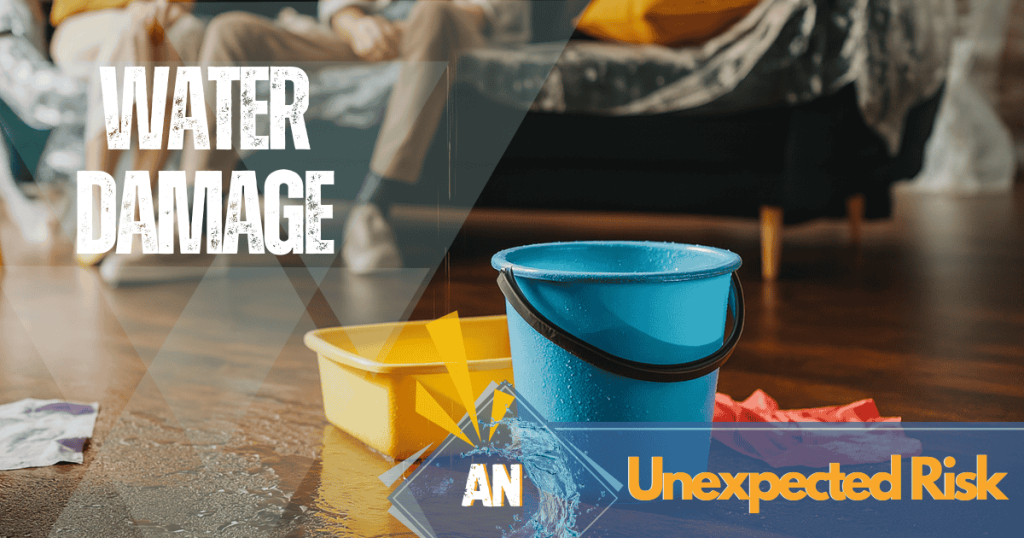
Water damage is among the most common and costly issues landlords face. It can result from burst pipes, leaking roofs, or tenant negligence.
- Why It Matters:
- Mold growth, electrical issues, and flooring replacement can become expensive fast.
- What’s Typically Covered:
- Sudden leaks, plumbing failures, stormwater damage.
- What’s Usually Excluded:
- Gradual leaks, seepage, or neglect-related damage.
- Tip:
- Add a water backup rider to cover sump pump or sewage overflow scenarios.
Vandalism & Theft: The Coverage You Need.
Unoccupied or lightly secured rental units are often targets for break-ins and damage.
- Common Incidents:
- Broken windows, graffiti, stolen appliances.
- Coverage Essentials:
- Ensure the policy includes vandalism and theft.
- Note:
- Vacant properties for 30+ days might not be covered—opt for a vacant property endorsement.
Don’t Overlook the Benefits.
Many landlords overlook additional perks that can increase protection:
- Loss of Use:
- Covers your temporary housing if you live on-site and the unit becomes uninhabitable.
- Ordinance & Law Coverage:
- Helps pay for upgrades to meet building codes after damage.
- Legal Counsel Access:
- Some policies include legal support during claims or lawsuits.
- Discounts:
- Multi-property owners or those with security features may receive lower premiums.
Top Coverages That All Landlords Must Include
- Dwelling Coverage: Rebuilds the structure if damaged.
- Liability Protection: Covers injury or damage lawsuits.
- Loss of Rental Income: Compensates for income loss during repairs.
- Optional Riders:
- Flood
- Earthquake
- Vandalism
- Water backup
Are Flood or Earthquake Riders Necessary?
Yes, especially if you live in high-risk zones:
- Flood Insurance:
- Not covered by standard policies.
- Required in FEMA-designated flood zones.
- Earthquake Insurance:
- Essential in states like California, Washington, and Alaska.
- Tip:
Policies for Pets: Tenant Animal Insurance
Allowing pets can increase tenant satisfaction but adds liability:
- Coverage Options:
- Pet liability riders cover injuries or damage caused by tenant pets.
- Why Include It:
- A single dog bite can cost tens of thousands in claims.
- Policy Tip:
- Screen tenant pets and require renters insurance with pet liability.
Five Important Factors that Affect Rates
- Location: High-crime or disaster-prone areas increase premiums.
- Property Age/Condition: Older homes = higher risks.
- Coverage Limits: Higher coverage = higher cost.
- Claim History: Frequent past claims may raise rates.
- Deductible Amount: Higher deductible = lower premium.
How to File a Claim? 4 Steps, that will Increase Your Return
- Document Everything:
- Take clear photos/videos of damage immediately.
- Notify Your Insurer Promptly:
- Call or file online with your policy number ready.
- Meet with Adjuster:
- Cooperate and provide documentation.
- Review Payout and Dispute if Needed:
- Read settlement offer and request reevaluation if insufficient.
When to Reevaluate Terms for Policy Renewal?
- Annually:
- Review your policy at least once a year.
- After Major Repairs or Upgrades:
- Renovated property may qualify for discounts.
- After Rent Changes:
- Higher rents = higher income = higher coverage needs.
- If Laws Change:
- Building code or insurance law updates may affect compliance.
FAQ Section
Q1: What gets covered under landlord insurance?
A: It typically covers property damage (fire, storms, vandalism), liability for tenant injuries, and loss of rental income. Add-ons can extend coverage to floods, earthquakes, and water backups.
Q2: Does the law demand landlord insurance?
A: Not federally, but mortgage lenders or local ordinances may require it. It’s strongly recommended to protect your assets.
Q3: What is the price?
A: Costs vary widely. National average is around $1,200–$1,500 per year depending on property size, location, and coverage. Multi-unit or high-risk zones may cost more.
Q4: Which riders should I include as optional?
A: Highly recommended riders include:
- Flood Insurance
- Earthquake Protection
- Water/Sewer Backup
- Vandalism & Theft
- Ordinance or Law Upgrade
Q5: Are the actions of tenants can be covered?
A: Some policies offer tenant damage coverage, but it’s usually limited. Require tenants to have renters insurance for their belongings and liability.
Conclusion:
Landlord insurance isn’t just another expense—it’s your financial safety net. By understanding what coverage to choose, what risks to anticipate, and how to protect your property from tenant issues or natural disasters, you ensure a stable and profitable rental business. Customize your policy, stay updated, and never underestimate the importance of being insured.
Protect your income. Protect your investment. Choose landlord insurance wisely.