
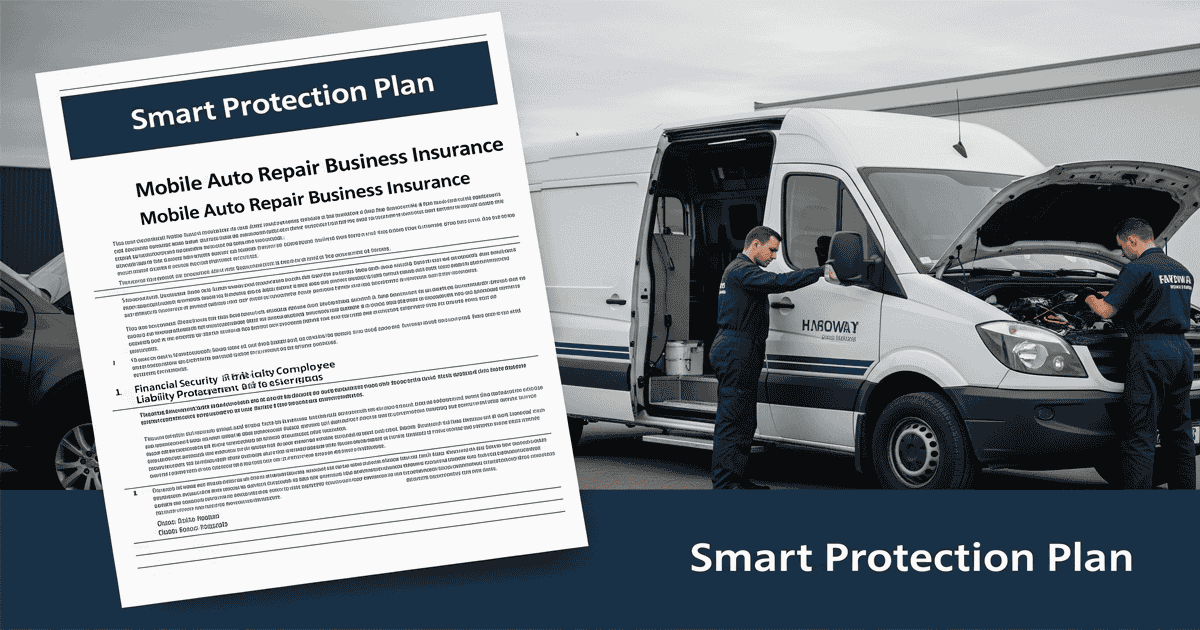
Running a mobile auto repair business offers convenience, flexibility, and growing demand—but it also carries unique risks. From traveling to customer locations to working on-site with expensive tools and diagnostic equipment, the operational hazards are numerous. That’s why a tailored insurance plan is not just recommended—it’s essential.
In this comprehensive guide, we’ll break down everything you need to know about mobile auto repair business insurance. Whether you’re a one-man mobile mechanic or managing a fleet of service vans, this article is packed with actionable advice, detailed coverage explanations, cost-saving tips, and policy recommendations. Let’s dive into how you can protect your business with the smartest insurance strategy available today.
Why Mobile Auto Repair Insurance Is Essential Today

As the mobile auto repair industry continues to expand, so do the legal, financial, and liability risks. Having an adequate insurance policy isn’t just smart business—it’s a non-negotiable for safeguarding your livelihood.
Here’s why mobile mechanic insurance is indispensable:
- Protection from On-Site Accidents
Repair work performed at client locations exposes your business to liability if property damage or bodily injury occurs. Insurance covers medical bills, legal fees, and damages. - Compliance with Local Regulations
Many states require proof of business liability or commercial auto insurance to operate legally. - Coverage for Business Equipment
Tools, scanners, and diagnostic devices represent a major investment. Insurance protects them against theft, fire, and damage during transit. - Client Trust and Professionalism
Displaying proof of insurance builds credibility and shows clients you take your business seriously. - Financial Safeguard During Claims
Without coverage, a single claim could bankrupt a small business. Insurance ensures your financial resilience. - Required for Commercial Contracts
Fleet managers and corporate clients often require mechanics to be insured before assigning contracts. - Protects Against Vehicle Accidents
Commercial auto coverage protects your work van, liability, and legal exposure in case of an accident.
Understanding the Key Coverage Types You’ll Need
Securing the right insurance package involves understanding what each policy component does. Let’s break down the critical coverages every mobile auto repair business should consider:
How Insurance Protects Your Mobile Mechanic Operations
Insurance acts as a financial safety net, allowing mobile mechanics to continue operations even after unexpected losses. From a blown engine in your van to a client injury claim, a solid insurance policy helps minimize downtime and legal exposure.
Comparing General Liability, Auto, and Garage keepers
- General Liability Insurance: Covers bodily injury, property damage, and legal defense costs. This is foundational coverage for any mobile service business.
- Commercial Auto Insurance: Covers damage to your business vehicle and liability arising from driving-related incidents.
- Garagekeepers Insurance: Protects customer vehicles under your care, custody, or control—essential if you store or work on them temporarily.
What Commercial Auto Insurance Covers in the Field
Commercial auto policies cover:
- Vehicle collisions
- Property damage
- Medical expenses for injuries
- Legal defense and settlements
- Towing and roadside assistance
- Uninsured/underinsured motorist coverage
This policy is essential for mobile mechanics who rely on transportation as part of their service delivery.
Why Inland Marine Insurance Matters for Tools & Parts
Inland marine insurance covers tools and equipment in transit or temporarily stored on-site. It’s especially vital for mobile mechanics who move gear between job sites. Coverage can include:
- Theft or loss of hand tools
- Damage to diagnostic devices
- Replacement of specialty parts lost in transit
Estimating Costs: Premiums for Solo vs. Fleet Mechanics
Insurance costs vary greatly depending on business size and coverage needs:
- Solo Mechanics: Expect to pay $500 to $1,500 annually for general liability and commercial auto insurance combined.
- Fleet Operations: Costs rise significantly, ranging from $2,000 to $10,000+ annually depending on vehicle count, employee number, and coverage limits.
Premiums are typically billed monthly, quarterly, or annually. Custom quotes are influenced by specific risk factors and policy types.
Top Factors That Affect Your Insurance Rates
Insurance premiums are influenced by multiple factors, including:
- Business Location – High-crime or high-traffic areas may incur higher premiums.
- Driving History – Past violations or accidents can increase commercial auto costs.
- Years in Business – Established operations often qualify for better rates.
- Annual Revenue – Higher earnings can mean higher liability exposure.
- Number of Employees – More mechanics = more risk, especially with driving duties.
- Coverage Limits and Deductibles – Choosing lower deductibles increases premiums but reduces out-of-pocket claim costs.
How Claims History and Location Change Your Quote
Insurance companies assess your past to predict your future risk. Frequent claims, even small ones, can flag your business as high-risk. Similarly, your ZIP code can affect:
- Theft rates for tools or vehicles
- Local legal claim trends
- Regional labor and medical costs
Maintaining a clean record and operating in lower-risk areas can help you secure better premiums.
Tips to Lower Premiums Without Reducing Coverage
There are several ways to lower your insurance costs while still maintaining excellent coverage:
- Install GPS and Anti-Theft Devices
Protecting your van and tools reduces risk and earns discounts. - Bundle Policies with the Same Provider
Combining general liability, auto, and inland marine often yields multi-policy savings. - Choose Higher Deductibles Strategically
Only increase deductibles if you have the cash flow to manage minor incidents independently. - Train Employees on Safety Protocols
Safer operations result in fewer claims, benefiting long-term pricing. - Request Annual Risk Reviews
Regular check-ins can identify overlapping coverage and opportunities to scale down.
How to Bundle Policies in a Business Owner’s Package
A Business Owner’s Policy (BOP) combines several types of coverage under one umbrella. This might include:
- General Liability
- Business Property
- Business Interruption
- Tools & Equipment
Bundling reduces costs, simplifies renewals, and avoids coverage gaps. BOPs are ideal for solo and small team mechanics looking for full protection.
Essential Endorsements: E&O, Umbrella, and More
Depending on your client base and service scope, you might also consider:
- Errors & Omissions (E&O) Insurance: Protects against professional mistakes like misdiagnosing a problem.
- Umbrella Insurance: Extends liability limits beyond standard policies.
- Cyber Liability: Useful if you store client data digitally.
- Hired and Non-Owned Auto (HNOA): Covers rented vehicles or employees using personal cars for business.
These optional add-ons fill in crucial coverage gaps for growing operations.
How to Choose & Vet a Trusted Insurance Provider
Choosing the right insurance provider involves more than just comparing prices. Here’s how to vet candidates:
- Check Licensing and Financial Strength: Use AM Best ratings and state databases to ensure your provider is reliable.
- Review Customer Service Reputation: Online reviews and Better Business Bureau ratings reveal responsiveness.
- Ask About Claims Process: Fast, transparent claims handling is critical in emergencies.
- Compare Custom Coverage Options: The best carriers offer flexible plans that evolve with your business.
Local brokers who specialize in automotive trades often provide the most personalized service.
What to Do When Filing a Claim on the Go
As a mobile operator, you might need to file a claim from a job site. Here are the steps:
- Document the Incident: Take photos, write down details, and gather witness statements.
- Call the Insurer Immediately: Most providers offer 24/7 support via phone or app.
- Submit a Detailed Report: Include repair receipts, police reports, and any evidence.
- Follow Up Consistently: Track claim status, provide additional documentation, and keep communications professional.
Efficient claims handling minimizes downtime and protects your reputation.
Preparing for Renewal and Adjusting Coverage Needs
Insurance isn’t a set-it-and-forget-it deal. Review your policy annually to ensure it still aligns with your business goals. Evaluate:
- Business growth or new service offerings
- Changes in vehicle use or locations
- Employee count and risk exposure
During renewal, shop competing quotes and renegotiate rates. Maintaining updated policies prevents denied claims and ensures full protection.
FAQ
Do I need separate commercial auto insurance for my van?
Yes. Personal auto insurance doesn’t cover business use. If your van is used for client visits, tool transport, or roadside service, you need a commercial auto policy. It provides liability, collision, and legal protection while operating the vehicle for work.
Can I insure tools and equipment on the go?
Absolutely. Inland marine insurance (often part of a BOP) covers tools and gear stored in your vehicle or used on client property. This includes hand tools, diagnostic devices, jacks, and even replacement parts.
What factors determine my mobile mechanic insurance cost?
Several variables impact your premium:
Number of vehicles and employees
Location and ZIP code
Claims history
Driving records
Annual revenue
Chosen deductibles and limits
Request a custom quote to get an accurate rate based on your business profile.
Final Thoughts
Mobile auto repair business insurance is not just a legal formality—it’s your business shield. The right plan ensures you’re covered from bumper to back office. With the smart protection strategies in this guide, you’re well on your way to building a resilient, trusted, and financially secure mobile mechanic brand.