

Liability insurance is no longer just a legal precaution—it’s a vital part of running a secure, professional, and future-ready law firm. In an era where legal challenges, digital threats, and employee disputes are growing more complex by the day, having the right liability insurance plan can mean the difference between resilience and ruin. With 2025 underway, now is the time for firms to re-evaluate their insurance portfolio and ensure they’re properly covered.
This guide explores everything a law firm needs to know about liability insurance—from common risks to watch out for, to the specific types of coverage required to protect your practice. Whether you’re a solo attorney or managing a multi-partner firm, understanding and implementing comprehensive insurance is not only good risk management—it’s a smart business strategy that supports your firm’s longevity, trust, and financial security.
Understanding the Real Risks Law Firms Face Daily
Liability insurance exists for a reason: law firms operate in an environment filled with legal, reputational, and operational risks. Here are the primary challenges your firm could face on any given day:
- Client Lawsuits
- Even a minor oversight in legal strategy or documentation can lead to a client suing for negligence.
- Unhappy clients—especially those who lose cases—may claim inadequate representation.
- Cybersecurity Threats
- Law firms store confidential client data, making them a top target for hackers.
- Phishing, ransomware, and insider data theft are increasing every year.
- Employee Allegations
- Internal conflicts such as wrongful termination, discrimination, or harassment can lead to legal actions.
- Without Employment Practices Liability Insurance (EPLI), the firm could face massive costs.
- Physical Accidents and Property Damage
- A client slipping in your lobby or an employee damaging client property can trigger liability claims.
- General liability insurance addresses these common yet unpredictable events.
Every day you delay proper coverage, your firm is exposed to legal and financial fallout from any of these risks.
How the Right Policy Can Save Your Firm From Collapse
A properly structured liability insurance policy acts like a financial firewall. It keeps your law firm standing even when facing costly disputes or unexpected incidents.
- Covers Legal Defense Costs: Whether the claim is valid or not, your insurer covers attorneys’ fees, settlements, and court costs—preserving your firm’s cash reserves.
- Avoids Out-of-Pocket Catastrophes: Without insurance, even a minor claim could cost tens of thousands of dollars. Major lawsuits could bankrupt a firm.
- Supports Client Contracts: Many corporate clients require proof of liability insurance before engaging legal counsel.
- Protects Business Continuity: Insurance helps maintain operations during claims investigations or office closures due to covered events.
A single uninsured event can unravel years of hard work. The right policy turns that vulnerability into protection.
Why Liability Coverage Is No Longer Optional in 2025
As the legal profession becomes more litigious and digitally vulnerable, the importance of liability coverage has skyrocketed:
- More Lawsuits, Higher Stakes: Client expectations are rising. One small error can spark a massive claim.
- Stricter Bar Requirements: Many states now recommend or require specific levels of coverage.
- Increased Public Scrutiny: A publicized lawsuit or data breach can destroy a firm’s reputation.
- Remote Work Complexities: Remote staff may be using unsecured networks or personal devices, heightening cyber risk.
In 2025, skipping liability insurance is no longer a cost-saving strategy—it’s a liability in itself.
Professional Liability vs General Liability Explained
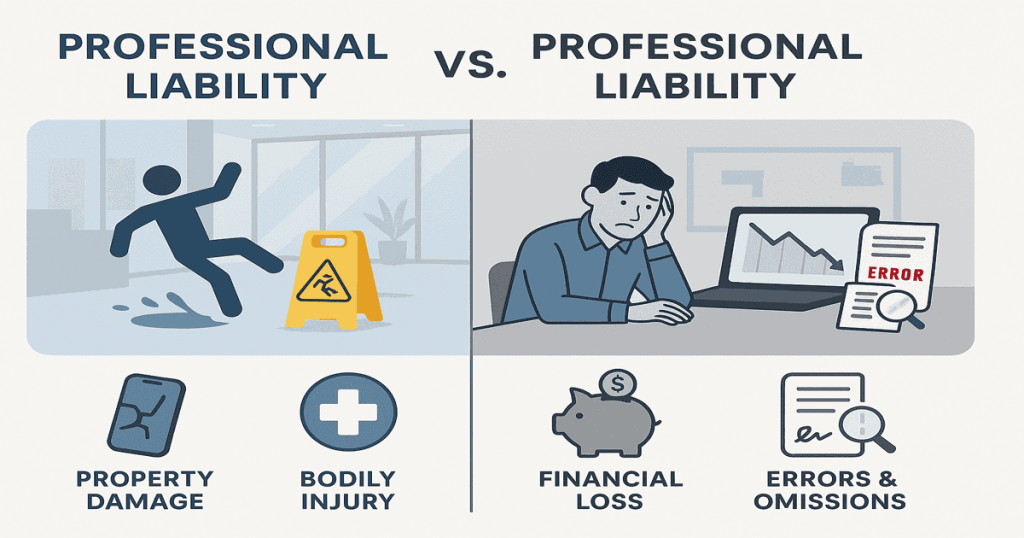
These two policies serve different purposes and often work best when combined:
- Professional Liability Insurance (Errors & Omissions)
- Covers claims related to your legal advice or service delivery.
- Examples: missed deadlines, incorrect filings, breach of duty.
- General Liability Insurance
- Covers third-party bodily injury, property damage, and advertising injury.
- Examples: client slips, property damage during meetings, reputational disputes.
Think of professional liability as protecting your work and general liability as protecting your space and people.
Cyber Liability: The Must-Have Coverage in the Digital Age
No law firm is immune to cyberattacks. Cyber liability insurance covers the aftermath:
- Covers:
- Ransomware payouts
- Data recovery services
- Breach notification and PR response
- Lawsuits from affected clients
- Why It’s Critical:
- Legal practices handle social security numbers, financial records, and privileged communications—all of which are prime targets for hackers.
Even the best firewalls can’t stop every breach. Insurance fills the financial gaps.
Employment Practices Liability and Why It Matters
Your internal culture isn’t immune to legal risk. EPLI covers employee-related claims such as:
- Discrimination
- Sexual harassment
- Wrongful termination
- Retaliation
Even if unfounded, these claims are costly to defend. EPLI ensures that internal HR issues don’t cripple your operations.
How Firm Size, Location, and Niche Impact Your Rates
Premiums vary dramatically depending on who you are and where you operate:
- Firm Size:
- Solo practitioners may pay $500–$1,500/year for basic coverage.
- Medium-sized firms can pay $5,000–$15,000+ based on exposure.
- Location:
- Firms in litigious states like California or New York often pay higher premiums.
- Urban offices face greater slip-and-fall or property risks.
- Practice Niche:
- High-risk areas like personal injury or securities law carry steeper premiums.
- Low-risk areas like estate planning often cost less.
Always match your coverage to your firm’s specific risk profile.
Claim History and Deductibles: Balancing Risk and Cost
Your history matters to insurers:
- Claims History:
- More claims = higher rates and potential denial of coverage.
- Deductibles:
- Choosing a higher deductible lowers premiums but increases out-of-pocket expenses during a claim.
Find the balance where your premium is affordable without risking overwhelming losses.
Coverage Limits That Actually Match Your Firm’s Needs
Choosing the right limits is about more than just budget:
- Per-Claim Limit: Maximum payout per incident (e.g., $1M).
- Aggregate Limit: Maximum payout per year (e.g., $2M).
Evaluate your average case value, firm size, and potential exposure. Underinsured firms often discover too late that their limits were insufficient.
Essential Questions to Ask Before Signing a Policy
Don’t just sign the first offer. Ask smart questions:
- What incidents are excluded from coverage?
- How is “negligence” defined under this policy?
- Are legal defense costs covered within or outside the limit?
- Does the policy offer retroactive coverage for prior acts?
- What’s the claims process and support structure?
Understanding these details can save you major regret down the road.
Online Portals vs. Local Agents: What Works Best Today?
- Online Portals:
- Pros: Faster quotes, lower overhead, 24/7 access
- Cons: Less personalized support, limited policy customization
- Local Agents:
- Pros: In-depth understanding of local laws, tailored advice
- Cons: Slower process, sometimes higher premiums
Choose based on your firm’s complexity, size, and support preferences.
Checking Financial Ratings and Legal Industry Reviews
Make sure your insurer can pay when it matters:
- Financial Ratings:
- Use AM Best, Moody’s, or Standard & Poor’s to verify stability.
- Legal Peer Reviews:
- Seek feedback from other attorneys, bar associations, or legal groups.
A well-rated insurer with a history of smooth claims handling is worth every penny.
Aligning Liability Policies With State Bar Rules
Every state has its own bar requirements:
- Some states mandate disclosure of whether you carry malpractice insurance.
- Others require minimum coverage for licensed attorneys.
- Firms working with government clients may need proof of general liability.
Your policy should reflect both local law and your professional obligations.
Renewal Time Tips: How to Save Without Losing Coverage
Don’t treat renewals as automatic:
- Shop Early: Compare quotes at least 60 days before renewal.
- Ask About Discounts: Clean claims history, bar membership, or bundled policies may reduce premiums.
- Reassess Coverage Needs: Your firm may need more (or less) based on growth, case types, or location changes.
Proactive reviews can lead to better coverage and lower costs.
Avoiding Claim Denials With Proper Documentation
Documentation is your strongest ally in claims approval:
- Log all client communications and outcomes.
- Maintain signed agreements, engagement letters, and waivers.
- Track deadlines and use practice management software to avoid oversights.
- Notify the insurer immediately upon potential claim awareness.
Many denials result not from the event—but from poor recordkeeping or late reporting.
Frequently Asked Questions (FAQs)
What does liability insurance cover for law firms?
It covers defense costs, settlements, and damages for lawsuits related to negligence, malpractice, data breaches, employment issues, and third-party injuries—depending on your selected coverage types.
Is liability insurance required for law firms by law?
Not in every state, but it is strongly recommended. Some states require disclosure to clients if you are uninsured. Others mandate minimum professional liability limits.
How much does liability insurance typically cost?
Prices range from $500 for solo firms to $15,000+ annually for mid-sized firms, based on location, claims history, practice area, and coverage amounts.
What is the difference between malpractice and liability insurance?
Malpractice is a specific type of professional liability coverage tailored to legal services. Liability insurance more broadly includes general liability, EPLI, and cyber liability.
Does liability insurance cover cyberattacks or data breaches?
Only if you carry cyber liability insurance. This coverage is crucial for handling digital threats, forensic investigations, breach notifications, and related legal costs.
Can a law firm bundle multiple liability coverages together?
Yes. Many providers offer bundled packages including general, professional, and cyber liability. This approach often reduces costs while providing comprehensive protection.
Final Thought:
Liability insurance isn’t an expense—it’s a foundation for trust, stability, and long-term growth. In 2025, protecting your law firm from every day and extraordinary risks isn’t optional—it’s essential. Choose smart, review annually, and work with providers who understand the legal landscape as well as you do.