

For business owners in the U.S., physical property is one of the most valuable assets. From your storefront and office space to inventory and equipment, a single event like a fire, flood, or break-in can lead to devastating losses. Without the right insurance in place, recovering from such an incident can be financially crippling. That’s where business property insurance steps in. It helps ensure that your investment is protected and that your business can bounce back without draining your cash reserves or going into debt.
High-impact events like natural disasters, theft, and vandalism are more common than ever. The increasing value of commercial property and the cost of business interruptions make property insurance not just useful but essential. This guide explores everything you need to know about business property insurance in the U.S.—what it covers, who needs it, how much it costs, and how to choose a policy that fits your business. Let’s break down how a relatively small investment in commercial property insurance can save you thousands, or even millions, when disaster strikes.
How Property Insurance Protects Business Assets?
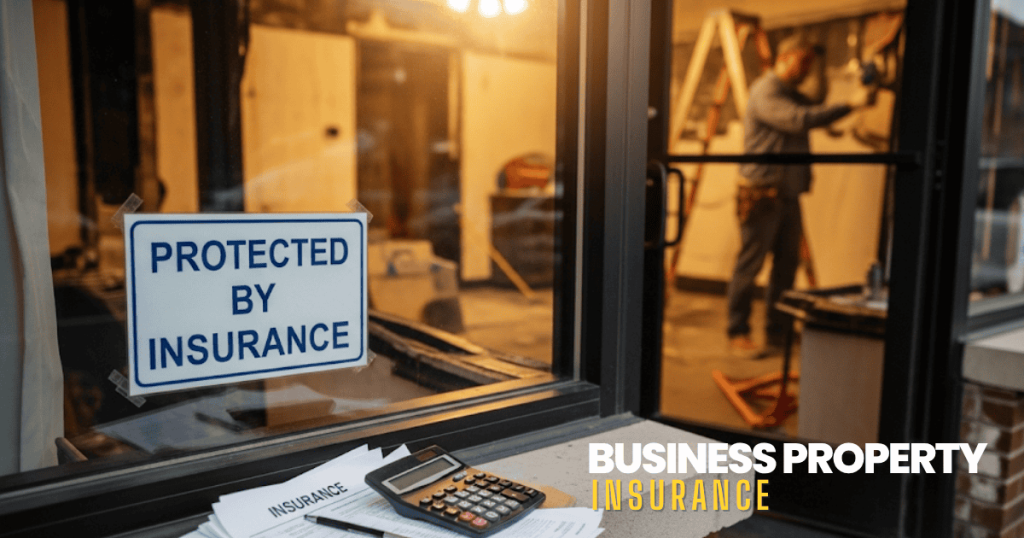
Property insurance is a financial safeguard that helps businesses recover from physical losses or damages to their property caused by covered perils. These perils typically include fire, storm damage, theft, vandalism, and certain natural disasters. If your building, equipment, or inventory is damaged or destroyed, a commercial property insurance policy helps cover repair or replacement costs, which can otherwise be overwhelming.
Imagine a scenario where a small manufacturing business experiences an electrical fire. Without property insurance, the business would need to cover tens of thousands of dollars in damages out of pocket. With the right coverage, the cost of repairs, equipment replacement, and even cleanup services is handled by the insurer. This gives business owners peace of mind and the financial flexibility to focus on rebuilding operations.
Property insurance also protects leased equipment, signage, furniture, and outdoor structures like fences. This is especially critical for businesses that rely on expensive technology or operate from rented facilities. Coverage can be extended to include tenant improvements, such as shelving, lighting, or flooring modifications that you’ve added to a leased space.
Additionally, some policies include coverage for income lost during business downtime. If a fire shuts down your office for a week, your insurer may reimburse you for lost revenue during that period, helping you meet payroll and ongoing expenses. This continuity support is what makes property insurance not just protection—but survival insurance.
Why Property Coverage Is Essential in 2025 and Beyond?
- Unpredictable Weather and Natural Disasters
- Climate change is increasing the frequency of floods, hurricanes, and wildfires. Businesses in high-risk zones need strong coverage more than ever.
- High Cost of Commercial Real Estate and Equipment
- Replacing even a small building or a few pieces of machinery can cost hundreds of thousands of dollars. Insurance protects your capital investment.
- Growing Cyber-Physical Threats
- As businesses adopt smart tech and IoT systems, physical assets are increasingly vulnerable to both digital and physical attacks.
What Types of Businesses Should Never Skip It?
- Retailers, Manufacturers, and Office-Based Companies
- These businesses rely heavily on physical inventory, machinery, or leased office space. Even a short disruption can lead to significant financial loss.
- Startups, Home-Based Businesses, and Freelancers
- Many assume homeowner’s insurance covers business gear—it doesn’t. Specialized riders or property insurance protects home-based business equipment.
- Commercial Property Owners and Landlords
- If you lease space to other businesses, property insurance ensures you’re covered for structural damage, loss of rental income, or tenant disputes.
Building Damage from Fire, Storm, or Vandalism
Commercial property insurance protects against a range of threats to your physical location. Fire remains the most common and costly hazard, but storm-related damage is increasingly prevalent. Whether it’s a tree falling on your roof during a hurricane or a hailstorm breaking windows, this insurance covers the structural repair costs. Vandalism, like graffiti or broken glass, is also typically included in standard policies.
Having coverage means you can act quickly to make necessary repairs without affecting your cash flow or delaying operations. Some insurers also provide access to vetted contractors and emergency response teams, which speeds up recovery.
Loss of Inventory, Equipment, and Furnishings
Your policy doesn’t just protect the building itself—it also safeguards what’s inside. This includes:
- Inventory, such as merchandise or raw materials
- Equipment and machinery used in production
- Electronics, such as computers and POS systems
- Furniture, shelving, and display fixtures
If these items are stolen, destroyed, or damaged by a covered peril, your policy can cover the cost of repair or replacement. Some insurers even offer replacement cost coverage, which reimburses you for new equipment rather than depreciated value.
Business Interruption and Temporary Relocation Costs
When disaster strikes, you might need to shut down temporarily or operate from a different location. Business interruption insurance—often bundled with property policies—helps you recover lost income during that period. It can also pay for:
- Temporary office or retail space rental
- Utility costs and lease payments
- Payroll for essential staff
This ensures you don’t lose customers or credibility while your physical location is being restored.
Factors That Influence Coverage Limits & Premiums
Your premium and coverage limits depend on several factors:
- Business Type and Industry Risk: A restaurant or auto repair shop faces more fire risks than an accounting office.
- Location: High-crime or disaster-prone zones will carry higher premiums.
- Building Value and Contents: The replacement cost of your structure and assets drives your coverage needs.
- Deductible Amount: Higher deductibles mean lower monthly premiums but more out-of-pocket costs during a claim.
- Security Features: Sprinklers, fire alarms, security cameras, and monitored systems can reduce your risk profile and save you money.
Understanding these variables can help you customize a plan that balances protection with affordability.
Add-Ons You Might Need Like BOPs or Flood Riders
A Business Owner’s Policy (BOP) bundles property and general liability insurance into one package, often at a discount. BOPs are ideal for small to mid-sized businesses seeking broad coverage.
You might also need riders or endorsements, such as:
- Flood Insurance: Standard property policies rarely cover floods—essential for coastal or low-lying areas.
- Earthquake Insurance: Often excluded but critical in seismic zones.
- Equipment Breakdown: Covers mechanical or electrical failures not caused by external damage.
- Tenant Improvements Coverage: For businesses operating in leased spaces with custom buildouts.
Common Mistakes to Avoid When Buying a Policy
- Underinsuring Your Property: Don’t base coverage on what you paid years ago. Use today’s replacement costs.
- Skipping Business Interruption Coverage: Even a short downtime can devastate revenue.
- Assuming Home Insurance Covers Business Use: It doesn’t—especially if clients or staff visit your home.
- Not Reviewing the Policy Annually: Business expansion, renovations, or asset upgrades should trigger a coverage update.
Bundle Property Insurance with General Liability Plans
One of the smartest ways to reduce premiums is to bundle your commercial property insurance with a general liability policy. Insurers often offer multi-policy discounts, and combining coverage simplifies billing and claims. A bundled policy ensures both your physical assets and legal responsibilities (like slip-and-fall injuries or customer disputes) are covered, making it a comprehensive solution for growing businesses.
Invest in Security Systems and Safety Compliance
Premiums are based on risk—so reducing that risk saves you money. Install fire alarms, smoke detectors, security cameras, and burglar-proof doors. Ensure your building meets OSHA and fire code regulations. Some insurers also offer discounts for:
- Staff fire and evacuation training
- Regular building inspections
- Smart technology that alerts you to temperature changes or break-ins
These measures not only lower costs but also boost your insurer’s confidence in your business.
Review and Update Your Policy As Your Business Grows
As your company expands, so do your risks and assets. Review your policy annually or after:
- Renovating your facility
- Buying new equipment or inventory
- Opening new branches
- Hiring more staff
Keeping your insurer informed ensures you’re fully protected and not underinsured.
Frequently Asked Questions (FAQ)
Is business property insurance required by law in the U.S.?
No federal law requires it, but it’s often mandated by commercial leases, landlords, or lenders for loans.
What’s typically excluded from commercial property insurance?
Standard exclusions include floods, earthquakes, war, intentional damage, and wear and tear unless special endorsements are added.
How much does business property insurance cost?
Costs typically range from $500 to $3,000+ per year, depending on business type, property value, location, and risk factors.
Does business property insurance cover tenant improvements?
Yes, but you must disclose the improvements to your insurer and ensure your lease doesn’t shift responsibility to the property owner.
Can I get coverage if I run my business from home?
Yes, but homeowners insurance usually doesn’t cover business equipment. Add a home-based business rider or purchase a small business policy.