
Workers’ compensation insurance, often shortened as workers comp, is one of the essential types of insurance that every business owner should consider. Whether you’re a small business owner, an entrepreneur, or the head of a large corporation, having workers’ compensation insurance can protect your business from financial risks related to workplace injuries, illnesses, or accidents. By securing workers comp insurance, you are safeguarding both your employees and your business from unexpected expenses.
In today’s world, finding the best workers’ comp insurance quote online is easier than ever. By using online resources, you can get customized quotes that meet your business’s unique needs. Whether you’re looking for a comprehensive policy for a large corporation or a more affordable plan for a small business, obtaining the right quote can be done in just a few clicks. Online platforms provide transparency, convenience, and competitive rates, allowing you to compare policies from multiple insurers.
Why Workers’ Compensation Insurance Must Be Needed for Your Business
Workers’ compensation insurance is not just a legal requirement for many businesses; it’s a critical safety net that protects both employers and employees. If you’re a business owner, here’s why you need to secure a workers’ compensation insurance policy:
- Legal Requirement in Many States
In most states, businesses with employees are legally required to have workers’ compensation insurance. Not having it can result in significant fines and penalties. Additionally, if an employee gets injured at work, the company could be liable for medical bills, lost wages, and other damages. Workers’ comp ensures that your business complies with the law, avoiding legal issues. - Employee Protection
Workers’ compensation insurance ensures that your employees receive the necessary medical treatment and financial support if they are injured or become ill due to their work. Employees who are injured on the job can rely on their workers’ compensation coverage to pay for medical bills, rehabilitation costs, and even lost wages, which would otherwise put financial strain on them. - Business Protection from Lawsuits
One of the key benefits of workers’ compensation insurance is that it protects businesses from employee lawsuits. If an employee is injured while working, they can file a workers’ compensation claim instead of suing the company. This protection is vital for small business owners, as a lawsuit could be financially devastating. - Maintains Workplace Safety
Workers’ compensation insurance encourages employers to create safer work environments. Insurers often provide risk management resources and programs to help businesses identify and mitigate workplace hazards. A focus on improving safety can lead to fewer accidents and claims, ultimately lowering workers’ comp premiums.
What Is Included in a Workers’ Comp Insurance Quote?
A workers’ comp insurance quote outlines the coverage, premiums, and terms of the policy you are considering. It is essential to understand exactly what is included in a quote before making a decision. Typically, the following components are included in a workers’ compensation quote:
- Medical Benefits
Workers’ compensation insurance covers all reasonable and necessary medical treatments related to work injuries or illnesses. This includes doctor visits, hospitalization, surgery, medication, and rehabilitation services. Medical benefits ensure that your employees receive proper care without financial burden. - Lost Wages (Wage Replacement Benefits)
If an employee is unable to work due to a work-related injury or illness, the policy will replace a portion of their lost wages. This amount varies depending on the state and policy but generally covers about two-thirds of an employee’s regular earnings. - Disability Benefits
Workers’ comp insurance also provides disability benefits if an employee is permanently or temporarily disabled due to a workplace accident. This benefit ensures that workers can continue to support themselves financially while they recover or adjust to a new way of life. - Employer Liability
Employers are protected from liability for work-related injuries or illnesses under workers’ compensation insurance. This means that employees cannot file lawsuits against the business for injuries sustained at work, as long as they are covered under the workers’ compensation policy.
Who Is Eligible for Workers’ Comp Insurance?
Workers’ compensation insurance is typically required for businesses with employees. However, the eligibility criteria can vary based on location, the number of employees, and the type of business. Here’s a breakdown of who is eligible:
- Full-Time Employees
Full-time employees are the primary candidates for workers’ compensation insurance. Businesses are required to include them under their workers’ comp policy, regardless of the type of industry. - Part-Time Employees
In many states, part-time employees are also eligible for workers’ compensation coverage. Employers should check their state laws to confirm whether part-time employees need to be covered by workers’ comp insurance. - Independent Contractors
Independent contractors generally do not qualify for workers’ compensation insurance unless the employer has a special arrangement with the contractor. However, some states may provide workers’ comp insurance for contractors under specific circumstances. - Subcontractors
Subcontractors may be eligible for workers’ compensation insurance depending on whether they have their own insurance coverage or if the primary business provides coverage for them. It’s important to clarify the details when hiring subcontractors.
Calculate Your Workers’ Comp Insurance Cost
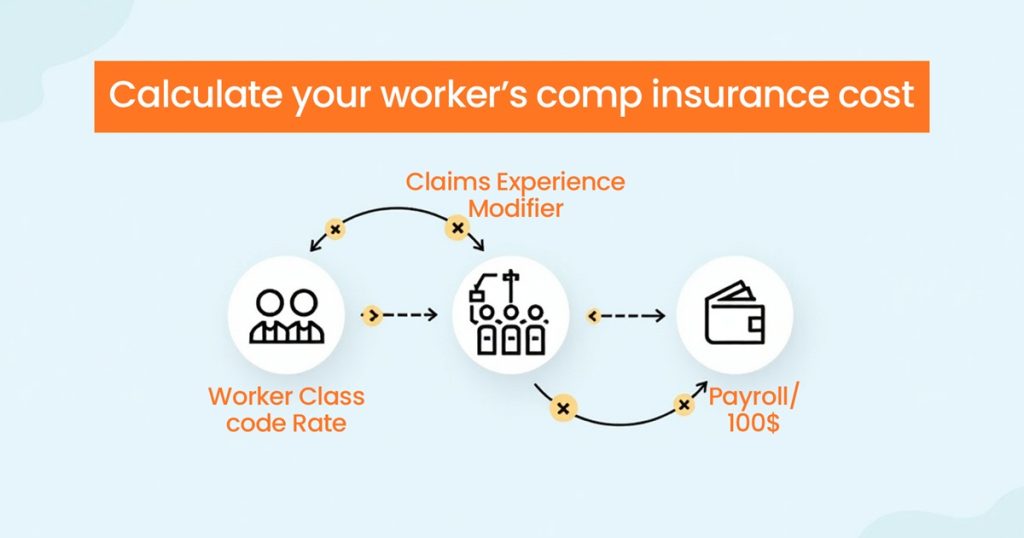
The cost of workers’ compensation insurance varies based on several factors, including:
- Business Type
The industry in which your business operates can significantly affect the cost of workers’ compensation. For example, high-risk industries such as construction or manufacturing often pay higher premiums compared to lower-risk sectors like office work. - Payroll Size
The more employees you have, the higher your workers’ comp insurance cost will be. Insurers calculate premiums based on your business’s payroll, as the more employees you have, the higher the chance of a claim being filed. - Employee Classification
Different classes of employees are assigned different rates based on their job duties. Workers in hazardous positions, such as those working with heavy machinery, will cost more to insure compared to office-based workers. - Claims History
Your company’s claims history also plays a critical role in determining your premium. A business with a high number of claims in the past will likely face higher premiums. - State Regulations
Each state has its own regulations regarding workers’ compensation. The cost of insurance can differ based on where your business operates, as rates are set by state regulatory bodies.
Coverage for Employee Illness, Injury, and Lost Wages
Workers’ compensation insurance offers comprehensive coverage for workplace injuries, illnesses, and lost wages:
- Injury Coverage: Covers expenses related to injuries sustained at the workplace, whether it’s from accidents or repetitive strain.
- Illness Coverage: Provides medical benefits for employees who develop work-related illnesses, including conditions related to the work environment.
- Lost Wages: Offers wage replacement benefits for employees who are temporarily unable to work due to a work-related injury or illness.
Requirements for Small Business Owners
Small business owners must consider several factors when purchasing workers’ compensation insurance:
- Employee Count
Many states require workers’ comp insurance for businesses with a certain number of employees, which can range from 1 to 3 employees. However, laws vary by state. - Industry Risk
Business owners in high-risk industries must ensure they provide adequate coverage for their employees. For example, construction and manufacturing businesses are more likely to face higher premiums due to the dangerous nature of the work. - State Requirements
Each state has different rules and regulations regarding workers’ compensation, so small business owners must understand and comply with local laws. Some states even have state-run workers’ comp programs for small businesses.
Easy and Reasonable Policy Options for Employers
Workers’ compensation insurance policies can be tailored to suit the specific needs of different employers. Businesses can choose from several options to find the best plan:
- Pay-As-You-Go Insurance
This option allows businesses to pay for their insurance based on their actual payroll, rather than an estimate. This helps small businesses better manage their cash flow. - General Liability and Workers’ Comp Bundle
Some insurers offer bundled policies that include both workers’ compensation and general liability coverage, which can be cost-effective for small businesses. - State-Specific Coverage
Some states offer specialized workers’ comp programs that offer lower premiums for certain types of businesses or industries.
When Is Workers’ Comp Insurance Needed?
Workers’ compensation insurance is necessary when:
- Employees Are Present: As soon as you hire employees, you are required to have workers’ compensation insurance.
- Business Is Established: If your business has a physical location and employees, securing coverage is essential to comply with state law.
Opportunities for Both Employers and Workers
Workers’ comp insurance benefits both employers and employees:
- For Employers: It reduces the risk of expensive lawsuits and ensures compliance with state laws.
- For Employees: It ensures that injured workers receive necessary medical care and compensation during recovery.
How to Submit a Claim for Workers’ Compensation
To submit a workers’ comp claim, follow these steps:
- Report the Injury: The employee must report the injury or illness to the employer as soon as it occurs.
- File the Claim: The employer submits the necessary paperwork to the workers’ comp insurance company.
- Medical Evaluation: The employee may need to see a doctor for evaluation and treatment.
- Claim Approval: The insurer will review the claim and approve or deny it based on the coverage provided by the policy.
Get a Quote That Suits You Better
Getting the best workers’ comp insurance quote means finding the right coverage for your business’s needs. Always:
- Compare Quotes: Use multiple providers to get competitive quotes.
- Understand Terms: Read the terms carefully to ensure you’re getting the right level of coverage for your business.
Understand Coverage Limits and Exceptions
Before signing a policy, make sure you fully understand the limits of coverage and any exceptions. Not all injuries or illnesses may be covered under the standard workers’ comp policy, so be sure to ask about exclusions.
Check Policy
Regularly review and check your workers’ compensation policy to ensure it remains compliant with state laws and provides adequate coverage as your business grows.
FAQ
How Can I Get a Quote for Workers’ Comp Insurance?
You can get a quote by visiting a reputable insurance provider’s website, entering your business details (employee count, industry, etc.), and receiving a customized quote. Alternatively, you can contact an agent directly for assistance.
Are All Types of Workers Eligible for This Insurance?
Most full-time employees are eligible for workers’ compensation. However, part-time workers and independent contractors may not be eligible unless specified by the policy or state law.
What Are the Benefits of Having Workers’ Comp Insurance?
The primary benefits include financial protection for both employers and employees, legal compliance, and protection from lawsuits resulting from workplace injuries. It also ensures that injured employees receive necessary medical care and wage replacement.
By securing the right workers’ comp insurance, businesses can provide a safer, more secure environment for their employees while protecting their bottom line from unforeseen risks.