
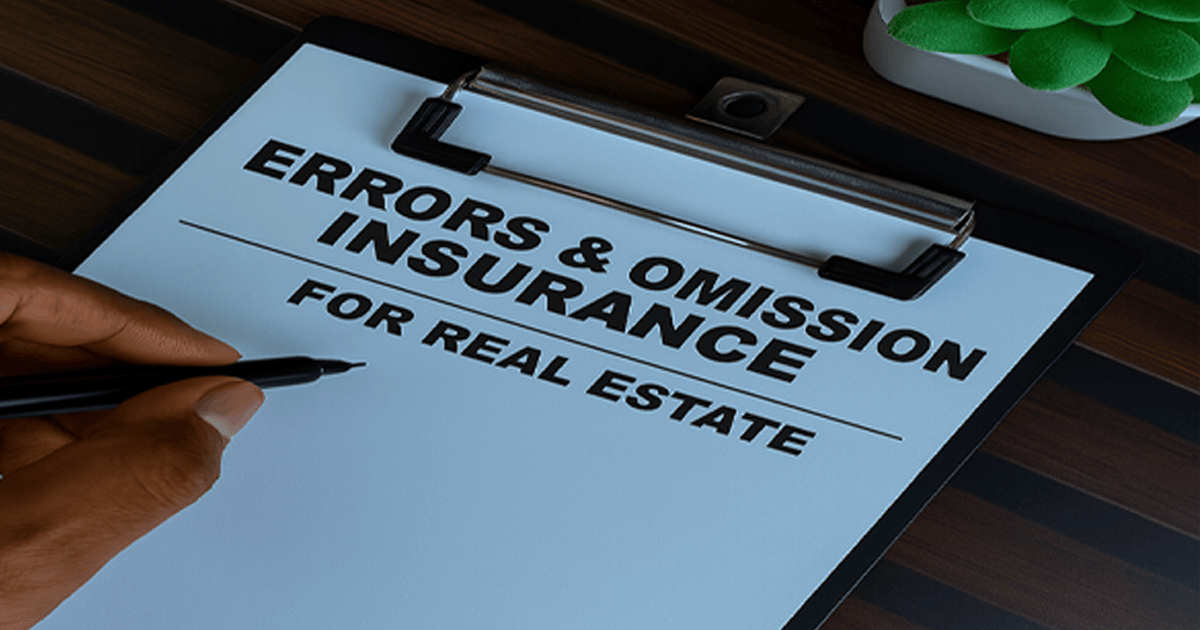
In the fast-paced and high-stakes world of real estate, mistakes can happen, and when they do, they can be costly. Whether you’re an agent, broker, or real estate professional, you carry the risk of making an error or omission during the course of your business activities. This is where Errors and Omissions Insurance (E&O) becomes essential. E&O insurance protects real estate professionals from financial losses arising from lawsuits that claim negligence, misrepresentation, or failure to perform services properly.
Real estate transactions involve high financial stakes and legal complexities. For this reason, ensuring that you have the right insurance coverage in place is crucial for protecting both your business and personal finances. This comprehensive guide will walk you through what E&O insurance is, why it’s necessary, what risks it covers, and how to select the appropriate policy for your real estate business. By the end of this guide, you’ll be equipped with the knowledge to make informed decisions and safeguard your business from potentially devastating lawsuits.
What Are Errors and Omissions Insurance in Real Estate?
Errors and Omissions Insurance (E&O) is a type of professional liability coverage that protects real estate professionals from legal claims that arise due to negligence, misrepresentation, or errors in their professional duties. It’s an essential insurance policy for those working in real estate as it helps shield agents, brokers, and firms from costly lawsuits that can arise even from simple mistakes or oversights.
Protects Against Legal Costs
- Legal Defense: Even if the claim is unfounded, legal defense costs can be exorbitant. E&O insurance covers these costs, ensuring that you don’t have to pay out of pocket.
- Settlements and Judgments: E&O insurance can also help cover any settlements or judgments that might result from a lawsuit.
Covers Professional Services
- Real Estate Transactions: E&O insurance applies to real estate transactions, covering everything from sales and leasing to property management and consulting.
- Legal and Contractual Failures: If you fail to fulfill your professional obligations under a contract, such as improper handling of property details or misinterpretation of legal terms, E&O insurance can help cover the financial consequences.
Financial Security for Professionals
- Protects Against Risk: Real estate professionals face a high level of risk. Having E&O insurance provides peace of mind, knowing that you’re financially protected in case of mistakes.
- No Out-of-Pocket Costs: Without E&O coverage, you may have to pay significant legal costs, settlements, or judgments out of pocket, which could damage your business.
Enhances Professional Reputation
- Client Trust: Having E&O insurance can build client trust, as it demonstrates that you take your professional responsibilities seriously and are committed to addressing any errors that might arise.
- Industry Standard: In many cases, carrying E&O insurance is considered an industry standard and may even be required by regulatory bodies or real estate boards.
Necessity of Errors and Omissions in Real Estate Business
Real estate professionals face significant risks in their daily operations. Mistakes or oversights can lead to costly lawsuits, damage to reputation, and financial hardship. E&O insurance is necessary to manage these risks and protect your business.
- Complexity of Real Estate Transactions
- Real estate transactions are complex, involving numerous parties, contracts, and legal documents. A simple error in communication or a missed deadline could lead to a lawsuit.
- The real estate market is dynamic, and professionals are often required to handle significant amounts of money, making them more vulnerable to litigation.
- Rising Legal Risks
- Legal claims against real estate agents, brokers, and firms have become more common, with clients increasingly seeking compensation for perceived negligence.
- E&O insurance helps ensure that real estate professionals are financially protected from such claims, which can otherwise drain resources and hurt business viability.
- Compliance with Legal and Regulatory Standards
- Many states require real estate agents and brokers to have E&O insurance as part of their licensing requirements. Compliance with these regulations ensures you avoid penalties and protect your professional standing.
- Failing to carry appropriate coverage can result in suspension or revocation of your license, as well as potential legal consequences.
- Financial Protection Against Negligence
- Errors can happen, even with the best of intentions. Whether it’s a missed detail in a contract, a misstatement about a property, or failure to disclose critical information, these errors can lead to significant financial consequences for both you and your clients.
- E&O insurance ensures that you have the necessary coverage to protect your finances from such situations.
Typical Real Estate Risks Covered by E&O
Errors and Omissions Insurance covers a variety of risks that real estate professionals face on a daily basis. Here are some of the most common risks that E&O insurance protects against:
- Failure to Disclose Material Information
- Property Issues: If a real estate agent fails to disclose important details about a property, such as structural problems or zoning violations, they may be held liable for damages.
- Financial Misrepresentation: Inaccurate valuation of a property or misrepresentation of its financial viability can lead to claims against the agent or broker.
- Breach of Contract
- Improper Contract Execution: If a real estate professional fails to properly execute or adhere to the terms of a contract, it could lead to a breach of contract claim.
- Failure to Meet Deadlines: Missing key deadlines, such as closing dates or document submission deadlines, can lead to client dissatisfaction and legal claims.
- Negligence in Providing Professional Services
- Inadequate Property Inspections: Failing to recommend or arrange a property inspection could expose clients to unforeseen risks, leading to potential lawsuits.
- Incorrect Advice: Providing clients with inaccurate market information or financial advice can lead to financial loss and claims of negligence.
- Defamation or Misrepresentation
- False Statements: E&O insurance protects professionals from lawsuits arising from false statements about a property or a client.
- Disparaging Remarks: Claims of defamation can arise if you make negative statements about a competitor, their properties, or their services.
Selecting the Appropriate E&O Insurance for Your Company
Choosing the right E&O insurance is a critical decision for any real estate professional. Here are key considerations when selecting a policy:
- Assess Your Coverage Needs
- Business Size: Determine the scope of your operations. Are you a solo agent, or do you run a large agency? Larger firms may require higher coverage limits.
- Service Scope: Consider the specific services you offer. Do you primarily handle residential sales, or do you also engage in commercial real estate, property management, or consulting?
- Evaluate Coverage Limits
- Minimum Coverage: Look for the minimum coverage required by your state or regulatory board.
- Adequate Protection: Consider the financial value of your transactions and the potential costs of legal claims. Higher limits may be necessary if you deal with higher-value properties or more complex transactions.
- Policy Exclusions
- Understand Exclusions: Carefully review the exclusions listed in the policy. Some exclusions, such as fraud, criminal activities, or intentional acts, may not be covered.
- Additional Coverage: Depending on your business, you may need to add additional endorsements or coverage for certain risks, such as cyber liability or errors related to commercial real estate.
- Compare Multiple Providers
- Quote Comparison: Always compare quotes from several insurance providers to find the best deal.
- Reputation: Choose a provider with a solid reputation for customer service, claims handling, and industry expertise.
Professional Errors and Liability
E&O insurance covers professional errors and liabilities, which can arise due to mistakes or negligence. Real estate professionals are responsible for providing accurate advice, handling contracts, and ensuring smooth transactions. A single mistake can result in a lawsuit that might threaten the financial health of the business. E&O insurance ensures that these liabilities are covered, providing protection in the event of a claim.
Know the Limitations of the Policy
While E&O insurance offers essential protection, it’s important to understand its limitations:
- Exclusions: E&O insurance typically does not cover intentional acts, fraud, or criminal activities.
- Coverage Limits: The insurance will only cover up to a certain amount, so high-value transactions may require additional coverage or higher limits.
How to File an E&O Claim Report
In the event that you need to file an E&O claim:
- Notify Your Insurer: Promptly report the issue to your insurance provider.
- Provide Documentation: Submit any relevant documents, including contracts, communications, and evidence.
- Work with Legal Counsel: Your insurer may provide legal support, but you should also consult with your legal team to ensure your interests are protected.
Protection of Real Estate Agents
E&O insurance is vital for real estate agents because it covers a broad range of potential risks. From minor mistakes to serious allegations of negligence, E&O insurance provides the necessary protection to ensure your financial stability and professional reputation.
Reseller vs. Agency Coverage
- Reseller Coverage: For independent agents or small businesses, reseller coverage may offer a more affordable option, though it may not cover all the risks associated with larger transactions.
- Agency Coverage: Larger agencies or firms may need broader coverage to protect multiple agents and larger transactions.
Specification of E&O Regulations by State
E&O insurance regulations vary by state, and in some areas, it’s mandatory for real estate professionals to carry a minimum level of coverage. Always check with your local regulatory body to ensure that you comply with state-specific requirements.
Get Your E&O Quote Right Now
To get started with E&O insurance, gather your business details, including the types of services you provide, the size of your business, and your coverage preferences. Request quotes from multiple insurers to compare rates and coverage options. Personalize your policy based on your business needs, ensuring you’re adequately protected.
Personalize Your Limits & Deductible
Personalizing your coverage involves selecting the right coverage limits and deductible to suit your financial needs and risk tolerance. Higher limits will provide more protection but may increase your premiums, while adjusting your deductible can help lower your monthly costs.
FAQ
What is real estate errors and omissions (E&O) insurance?
E&O insurance protects real estate professionals from claims related to negligence, errors, or omissions in their professional duties.
Is E&O insurance required by law for real estate agents?
E&O insurance is required in some states but is not federally mandated. Check your state’s specific requirements.
What is usually covered by real estate E&O insurance?
It covers legal defense costs, settlements, and judgments related to negligence, misrepresentation, and errors in professional services.
What is the price of E&O insurance for professionals in real estate?
The cost typically ranges from $300 to $1,500 annually, depending on the size of your business, coverage limits, and location.
In conclusion, Errors and Omissions Insurance is an indispensable tool for real estate professionals seeking to protect themselves from costly legal claims. By understanding the key aspects of E&O insurance, selecting the right policy, and ensuring compliance with state-specific regulations, you can safeguard your business and professional reputation.